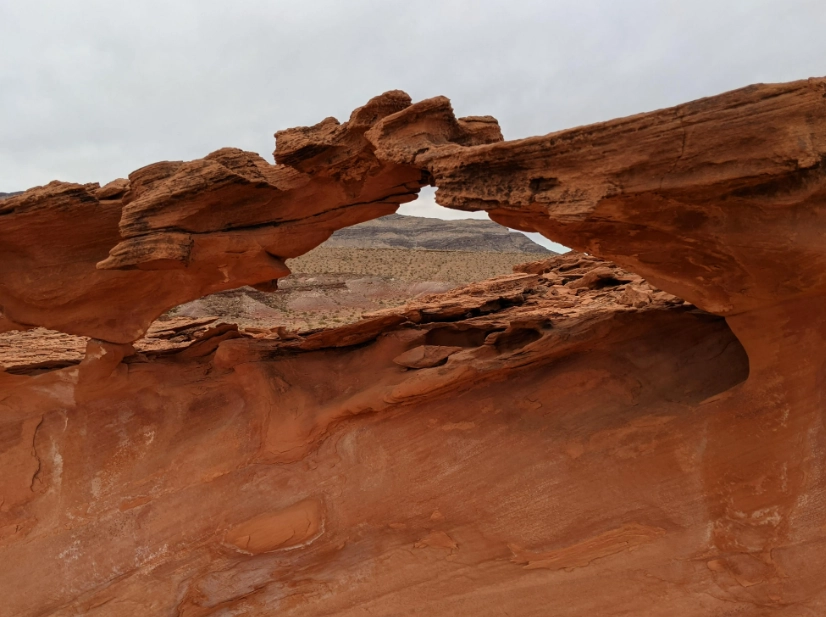
Let's be clear about Kaiser Hot Springs right from the start. This isn't a resort. You won't find a front desk, changing rooms, or a snack bar. What you will find is a series of rustic, natural thermal pools tucked into a remote canyon in California's Inyo National Forest, offering a soak that feels genuinely wild and untamed. I've made the trek multiple times, and each visit reinforces that this experience is solely for those prepared to trade convenience for raw, geothermal beauty. If you're looking for a polished spa day, turn back now. But if the idea of finding your own slice of steaming earth in the middle of the high desert speaks to you, this guide will tell you exactly how to do it, what to bring, and what you're really signing up for.
Your Quick Navigation for This Kaiser Hot Springs Guide
What Are Kaiser Hot Springs Really Like?
Kaiser Hot Springs is a collection of seeping thermal springs that have been channeled by past visitors into several primitive rock-and-cement pools along a creek bed. The water is mineral-rich, often with a slight sulfur smell, and the temperature varies wildly between pools and even within a single pool. On my last visit, I could feel distinct hot and cool currents mixing—one corner would be almost too hot to touch, while another was merely warm.
The setting is starkly beautiful. You're surrounded by high desert hills, sagebrush, and the quiet isolation that comes with being miles from the nearest paved road. The sound is just the wind, the creek, and maybe the chatter of other soakers if you're not alone. There are zero facilities. No bathrooms, no trash cans, no signage. You are entirely responsible for yourself. This is a pack-in, pack-out, leave-no-trace destination in every sense.
Where Exactly Are Kaiser Hot Springs Located?
You'll find Kaiser Hot Springs in the Inyo National Forest of Eastern California, northwest of the town of Bishop. It's in the Volcanic Tablelands area, a region known for its geothermal activity. Don't search for a street address; it doesn't exist. The closest you'll get for navigation is the general area near the intersection of Highway 168 and a network of Forest Service dirt roads.
Key Location & Access Facts
General Area: Inyo National Forest, north of Bishop, CA.
Land Status: Public land managed by the U.S. Forest Service. Always check for current alerts or closures.
Fee: None. It's free to access and soak.
Open Hours: The area is accessible 24/7, but driving the rough roads at night is not recommended. Daylight hours are best.
Official Resources: The Forest Service doesn't actively promote these springs due to their primitive nature, so information is largely community-driven.
How to Get to Kaiser Hot Springs: The Drive & Hike
This is the make-or-break part of the trip. The journey is an adventure in itself and is where most people's plans go wrong if they're not prepared.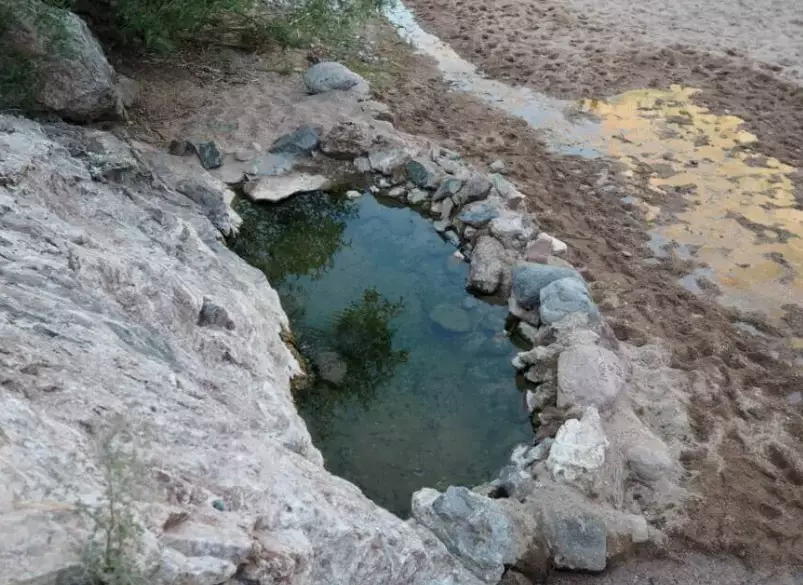
Driving Directions from Los Angeles or Bishop
From Los Angeles, you're looking at a 4.5 to 5.5-hour drive. Take US-395 North past Bishop. Your turn-off is Highway 168 West (the road to Lake Sabrina). Drive about 6.5 miles on 168 until you see a dirt road branching off to the right (north). This is usually Forest Road 2S01 or a similar designation—the exact number isn't as important as the location. Look for a pull-off area and maybe tire tracks heading into the desert.
From Bishop, it's much shorter. Head west on Highway 168 for about 6.5 miles and look for the same dirt road on the right.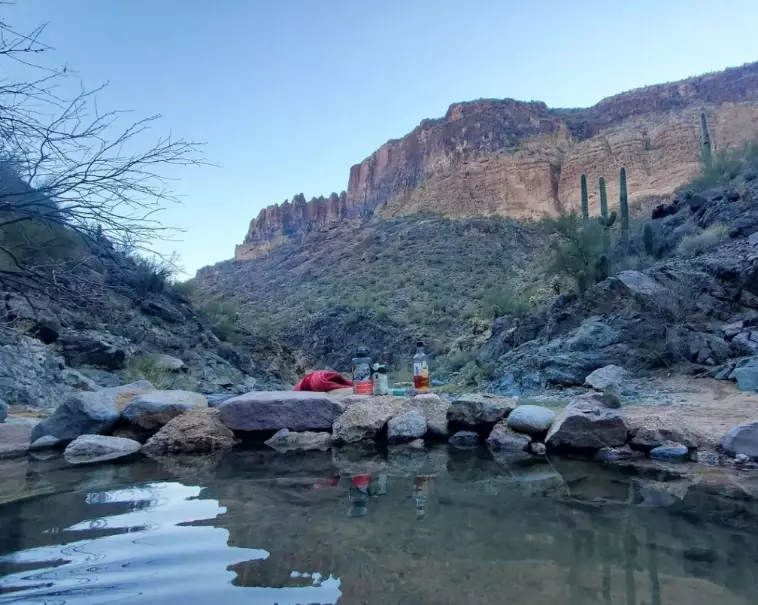
Road Conditions & Vehicle Advice
The dirt road to the general parking area is where you need to pay attention. It's a typical high-desert track: rocky, rutted, and dusty. After rain or snow, it can become a muddy, impassable mess.
Here's my blunt vehicle advice: A high-clearance vehicle (like an SUV or truck) is strongly recommended. I've seen sedans make it on a perfect, dry day, crawling along at 2 mph, but they risk getting high-centered or damaging their undercarriage. An AWD or 4WD vehicle is ideal for extra confidence, especially in loose sand or after weather. Don't bring your low-sports car. Just don't.
Finding the Pools (They're Not Signposted)
You'll drive the dirt road for roughly 1 to 1.5 miles until you see an obvious, wide area where cars park. You can't drive further. From here, you hike. Head down into the obvious wash (dry creek bed) and follow it downstream. The hike is short, maybe 10-15 minutes of easy scrambling over rocks and sand. You're looking for steam and the smell of sulfur. Listen for water. The main pools are right in the creek bed.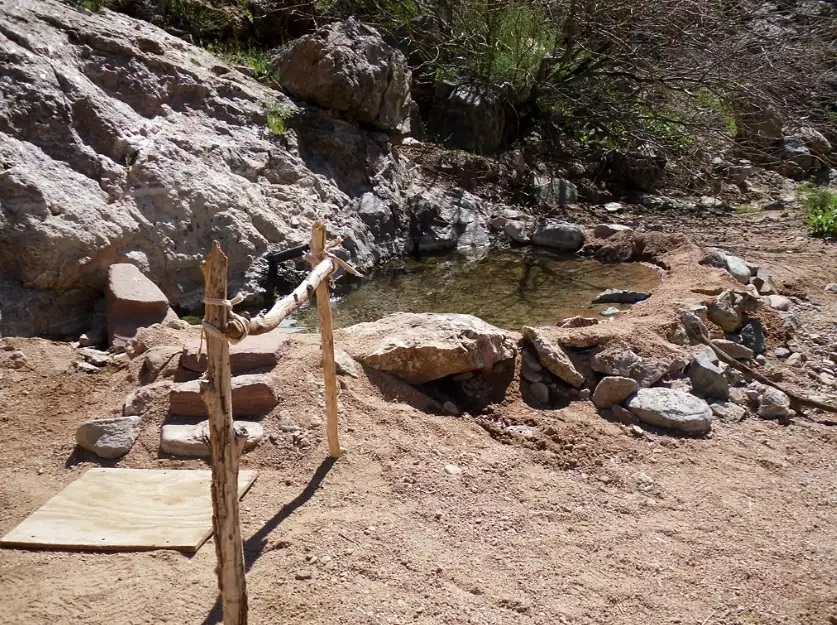
What to Expect at the Kaiser Hot Springs Pools
You'll typically find a few main pools. The largest one is often dammed with rocks and cement, big enough for several people. The temperature here is usually the most reliable and comfortable for a long soak. Upstream or downstream, there are smaller, hotter pools that are more like personal tubs. The water clarity varies from slightly cloudy to clear, depending on recent creek flow and how many people have stirred up the sediment.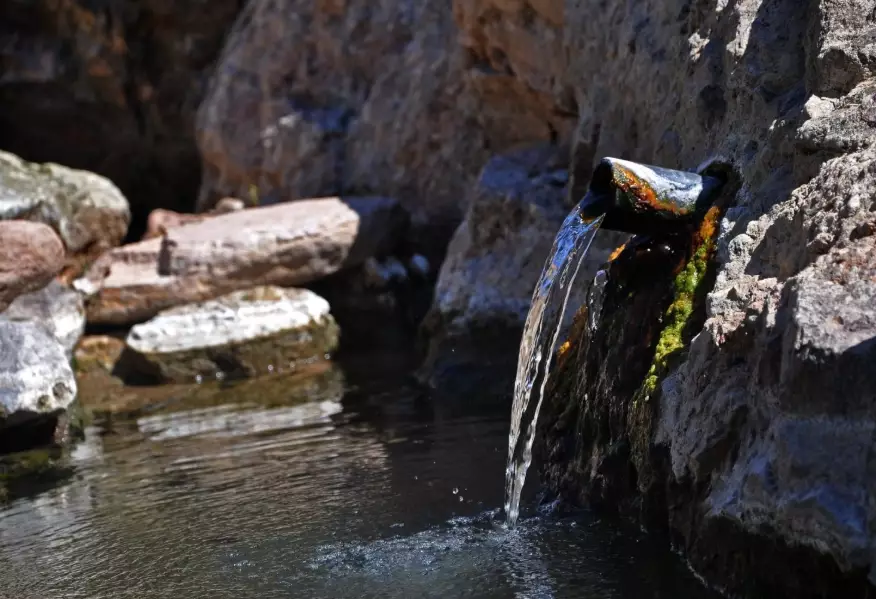
A crucial point: The water is not treated. It's natural spring water mixing with creek water. Soaking is generally considered safe, but avoid submerging your head or getting water in open wounds. The U.S. Geological Survey notes that natural hot springs can harbor organisms like Naegleria fowleri in rare cases, so keeping your head above water is a standard safety practice.
The pools are clothing-optional. On every visit, I've encountered a mix—some people in swimsuits, others not. Everyone tends to be respectful and minds their own business. It's part of the rustic hot spring culture.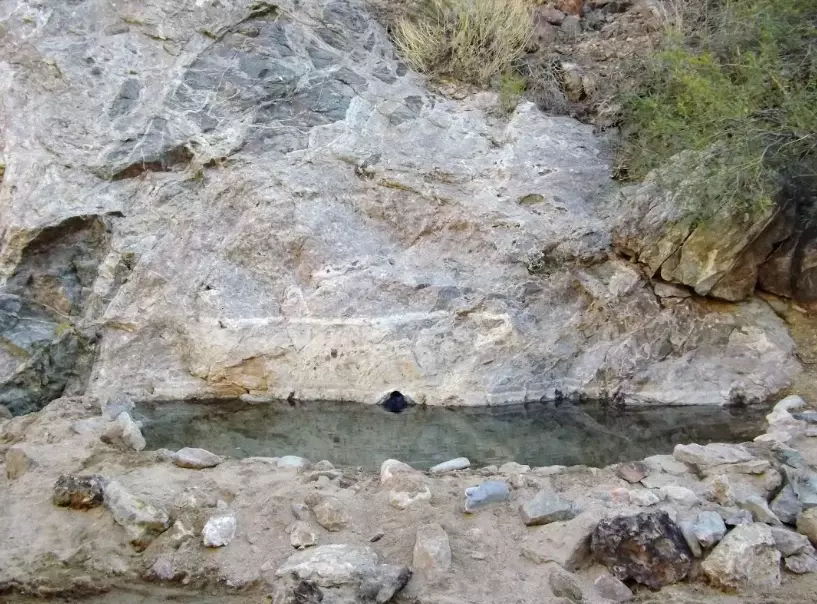
My Non-Negotiable Tips for Visiting Kaiser Hot Springs
Based on hard-learned lessons and watching others struggle, here’s your survival checklist.
| What to Bring / Do | Why It's Critical | Pro-Tip / Note |
|---|---|---|
| More Water Than You Think | The desert is dehydrating, and hot springs accelerate fluid loss. You need drinking water, not just soaking water. | Bring at least one gallon per person for the day. I bring a separate insulated bottle just for the hike down to the pools. |
| Sturdy Footwear for the Hike | The creek bed is all rocks and sand. Flip-flops are a fast track to a twisted ankle. | Wear closed-toe shoes or sandals with straps (like Tevas or Keens) for the walk, then switch to water shoes or go barefoot at the pool edge. |
| Sun Protection & Layers | Full sun exposure at the pools. Temperatures can swing from hot to cold quickly, especially if wind picks up. | Hat, sunglasses, sunscreen. Bring a quick-dry towel and a warm layer (fleece, puffy jacket) for after your soak. |
| Headlamp or Flashlight | If you linger past sunset, hiking back up the dark canyon without light is dangerous and disorienting. | Even if you plan to leave early, toss one in your bag. Plans change. |
| Trash Bags (Pack It ALL Out) | There are no services. Any trash you create, including food wrappers and toilet paper, must leave with you. | Bring a dedicated ziplock for used toilet paper if you need to go. Burying it is not sufficient in this fragile environment. |
| Check Weather & Road Conditions | Rain or snow can make the access road completely impassable and turn the creek into a dangerous torrent. | Call the Inyo National Forest visitor center in Bishop for the latest road and condition reports before you go. |
One more thing: arrive early, especially on weekends. The parking area is limited, and the pools can only comfortably fit so many people. Having the place to yourself at sunrise is a magical experience.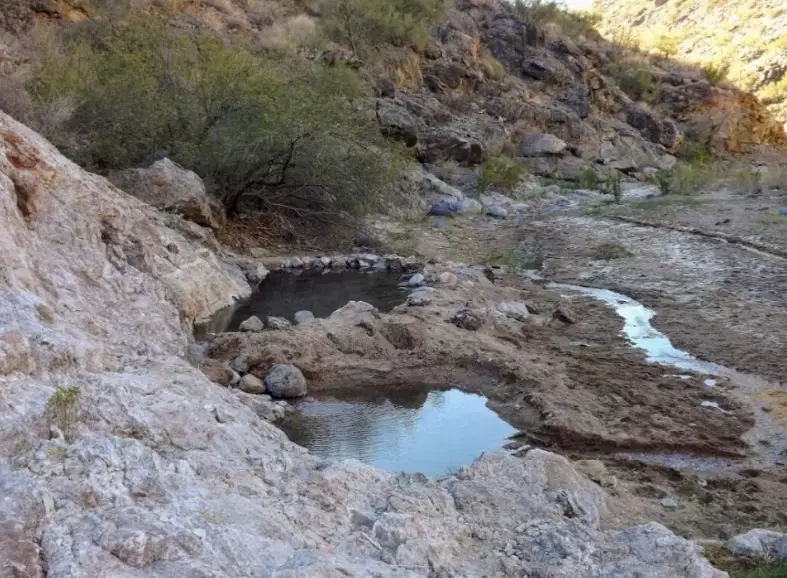
Honest Answers to Your Kaiser Hot Springs Questions
Is a day trip from Los Angeles to Kaiser Hot Springs feasible?
What's the biggest mistake first-time visitors make?
Are Kaiser Hot Springs safe for solo travelers?
How do the pools compare to more developed hot springs like Mammoth Hot Springs?
Can you camp right at Kaiser Hot Springs?
So, is Kaiser Hot Springs worth it? If your definition of "worth it" includes a sense of accomplishment, a connection with a raw landscape, and a soak that feels earned, then absolutely. It's a specific kind of joy. But if you prioritize guaranteed comfort, easy access, and pristine facilities, you'll likely leave disappointed. Know what you're getting into, prepare thoroughly, and this hidden geothermal oasis can offer one of the most authentic soaking experiences in California.