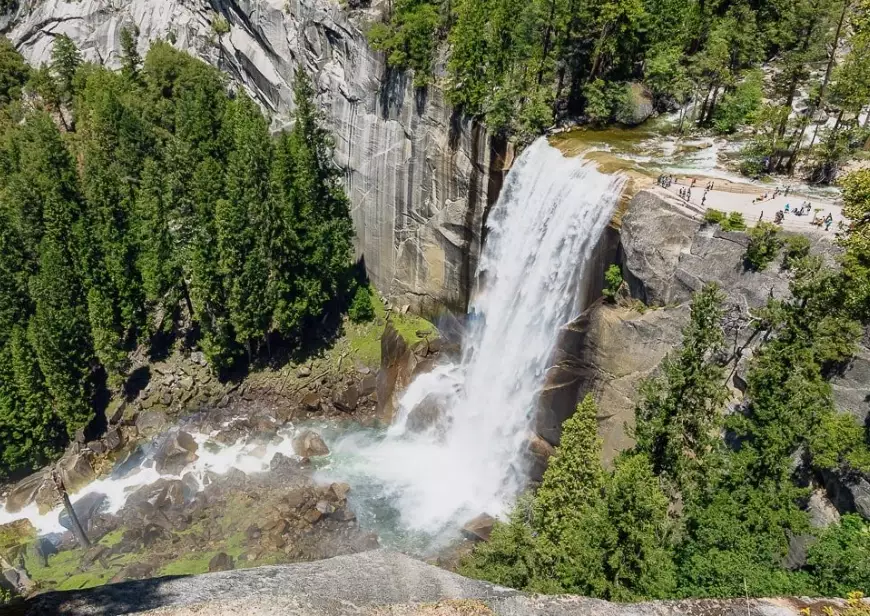
Let's cut to the chase. If you're looking for a quick list of generic facts about Tonto National Forest, you can find that anywhere. What you're probably struggling with is figuring out how to actually plan a trip there that doesn't involve getting lost, missing the best spots, or worse, running out of water on a scorching trail. I've spent countless weekends over the past decade exploring every corner of this place, from the iconic Superstition Mountains to the quiet stretches of the Salt River. This guide is built from that experience—the good, the bad, and the breathtaking.
Tonto isn't just a patch of desert. It's a massive, diverse playground spanning nearly 3 million acres. You've got saguaro-studded foothills, pine-covered mountains above 7,000 feet, deep canyons, and lazy rivers. Most first-timers make the mistake of treating it as a single destination. It's not. It's a collection of wildly different landscapes, and where you go dictates everything—what you pack, when you go, and what you'll see.
What’s Inside This Guide?
Why Tonto National Forest is a Must-Visit
Proximity is its superpower. You can land at Phoenix Sky Harbor Airport and be on a trailhead in under an hour. Where else can you do that? It offers an immediate escape from the city sprawl into a raw, unfiltered version of the Sonoran Desert and the Mogollon Rim. The variety is staggering. One day you're navigating a narrow canyon in search of a hidden waterfall (yes, waterfalls in the desert), the next you're setting up camp under a canopy of Ponderosa pines with temperatures 30 degrees cooler.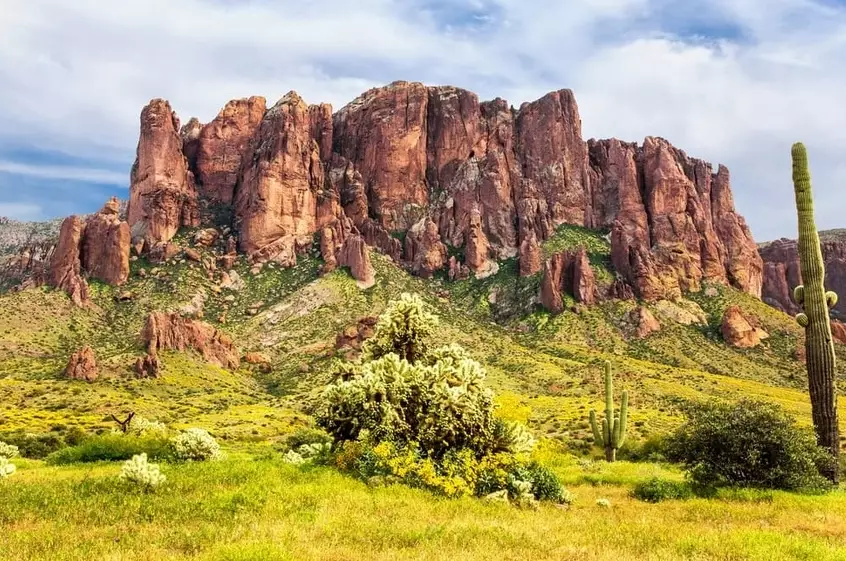
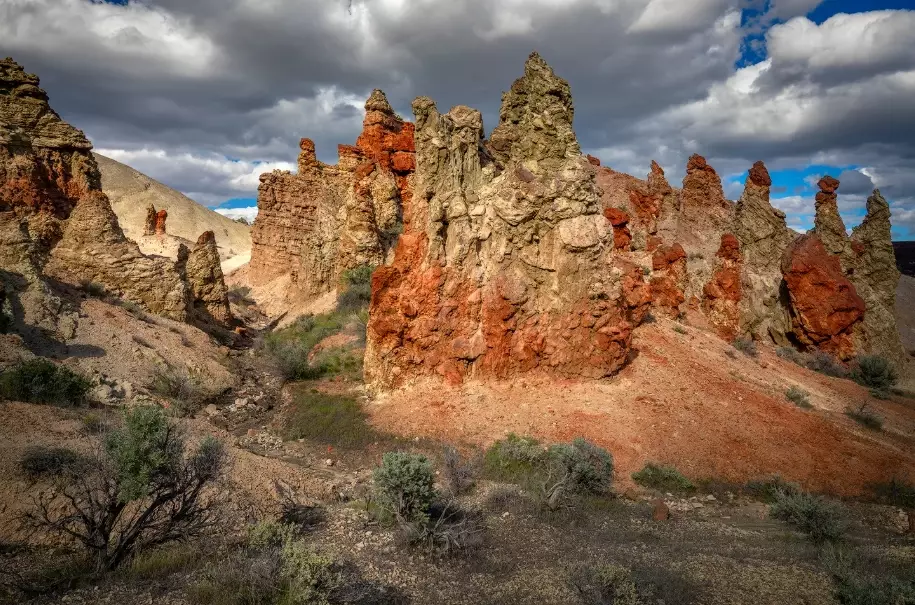
But here's the non-consensus view everyone misses: Tonto's real magic isn't in its famous landmarks alone. It's in the subtle moments. The way the light hits the cliffs of the Superstitions at golden hour, turning them into a fiery orange. The sound of absolute silence in a remote canyon, broken only by the call of a canyon wren. The smell of creosote bush after a rare rain. Most visitors rush from one Instagram spot to the next and leave having missed the forest for the cacti.
Key Details at a Glance: Tonto National Forest is massive. The main visitor centers are in Phoenix and Payson. There's no single "entrance fee" for the forest itself, but specific recreational sites like the Tonto Natural Bridge State Park or certain boat launches have their own day-use fees. The forest is open 24/7, year-round, but access to some high-elevation roads (like the road to the top of the Mogollon Rim) closes with winter snow. Always check current conditions with the USDA Forest Service Tonto website before you go.
How to Plan Your Tonto National Forest Trip
This is where trips go right or wrong. Your planning starts with one decision: which district are you targeting? The forest is split into six ranger districts, and they're worlds apart.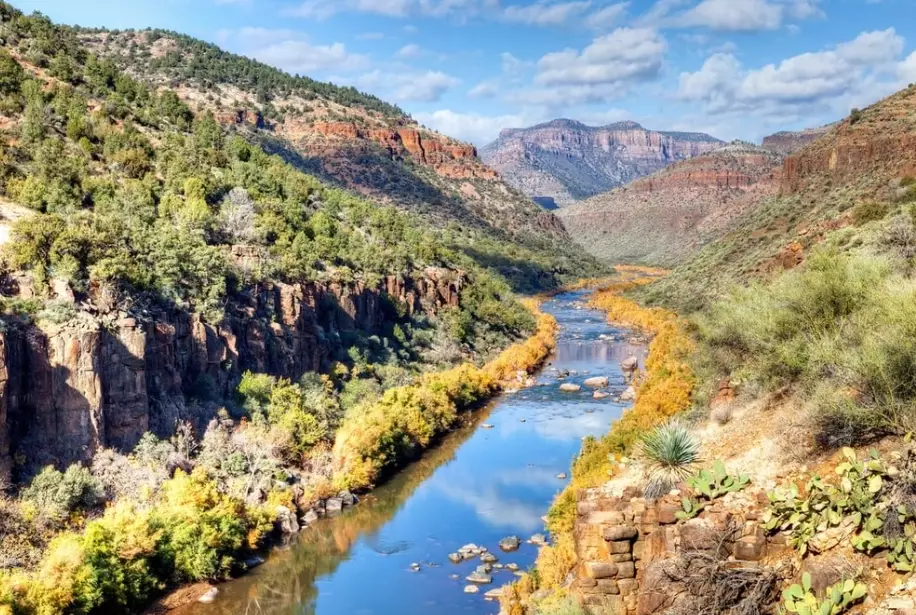
- Cave Creek District: Closest to North Phoenix. Think rolling, saguaro-covered hills. Great for quick after-work hikes like the popular Go John Trail. Gets very hot and crowded on weekends.
- Superstition Wilderness: The iconic, rugged mountains east of Phoenix. Home to the legendary Peralta and Wave Cave trails. Requires more planning and respect for the terrain.
- Mesa District: Manages the popular Salt River recreation areas like Salt River Tubing and the Lower Salt River, famous for wild horses and kayaking.
- Globe District: Offers a mix of desert and transition zones. Less crowded, with gems like the Pinal Mountains.
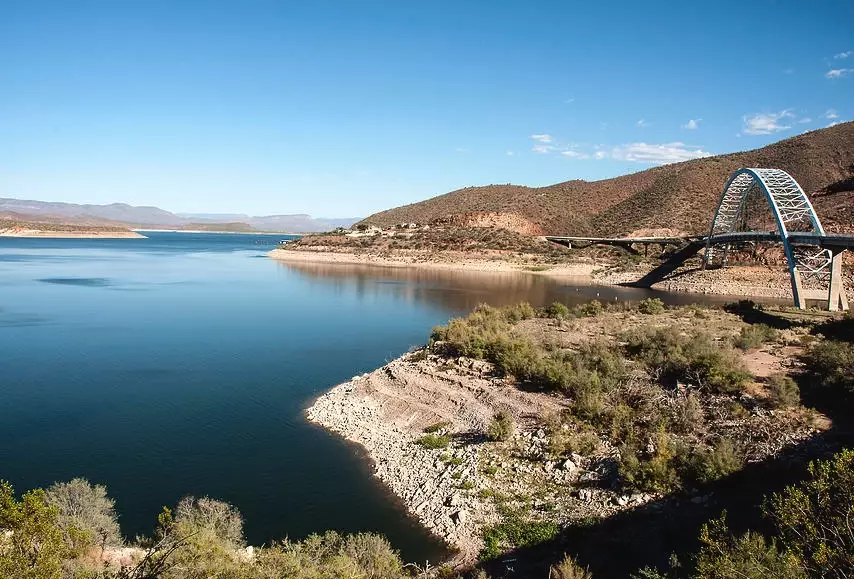
- Tonto Basin District: Centered around Roosevelt Lake. A water-lover's paradise for boating and fishing.
- Payson District: The high country. This is where you find the cool pine forests, the Mogollon Rim, and the famous Horton Creek trail. Your summer escape from the desert heat.
I made the classic rookie mistake years ago. I packed for a "desert hike" and drove to the Payson district in July, expecting blistering heat. I ended up shivering in a light jacket at 7,000 feet. The lesson? Check the elevation of your specific destination, not just "Tonto." A 40-degree temperature swing between Phoenix and the Rim is normal.
Getting There and Getting Around
You absolutely need a car. Public transport won't cut it. From central Phoenix, most districts are a 1 to 2.5-hour drive. The Apache Trail (State Route 88) to Canyon Lake and the Superstitions is a stunning but winding, partially unpaved scenic drive—not for the faint of heart or large RVs. A high-clearance vehicle is recommended for many forest service roads leading to the best dispersed campsites. I've seen sedans bottom out more times than I can count.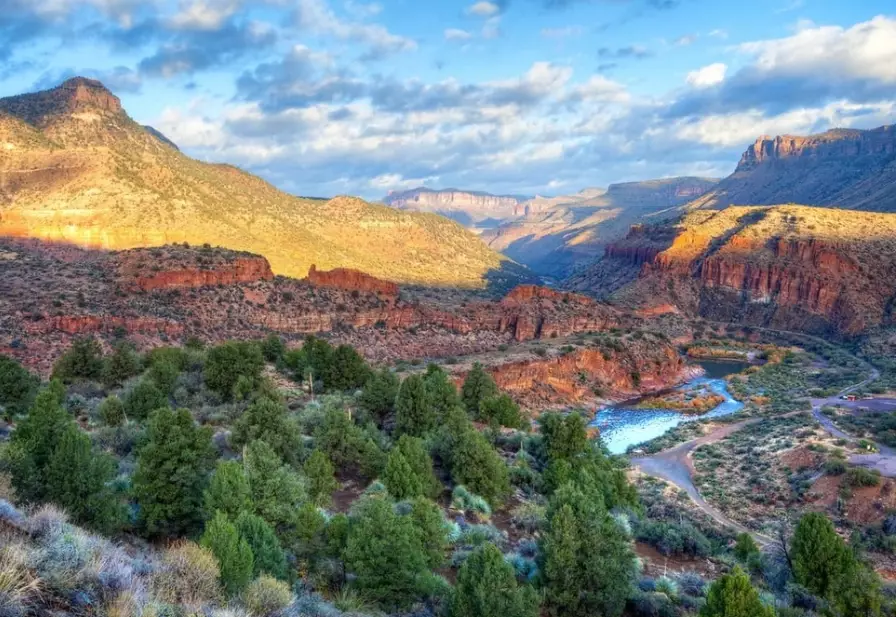
The Top Hikes You Can't Miss
I've lost track of how many miles I've logged here. This table breaks down the essentials for some of the most rewarding—and most representative—hikes.
| Trail Name | District | Difficulty & Length | The Real Highlights (What Others Don't Say) | Trailhead Access & Notes |
|---|---|---|---|---|
| Peralta Trail to Fremont Saddle | Superstition | Moderate, 4.6 miles round-trip | The classic, postcard view of Weaver's Needle. It's popular for a reason. Go on a weekday or at sunrise. The last 0.3 miles are a steep, rocky scramble that surprises unprepared hikers. | From Phoenix, take US-60 east to Peralta Rd. (FR-77). A well-maintained dirt road leads to the large trailhead. It fills up by 7 AM on weekends. No fee. |
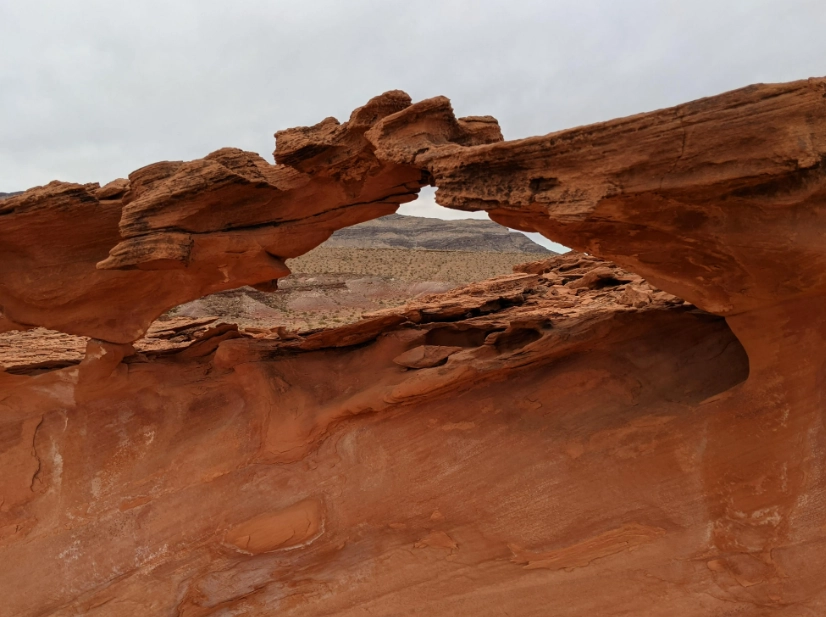
| Wave Cave Trail | Superstition | Moderate, 3.2 miles round-trip | A cool, wave-like rock formation inside a cave. The payoff is unique, but the trail itself is rocky, exposed, and has minimal signage at a key junction—I've pointed many lost hikers the right way. | Trailhead is at the end of FR-812 off US-60. Small parking area. The "wave" is best photographed in the morning light. |
| Horton Creek Trail | Payson | Easy-Moderate, 8 miles round-trip | A lush, spring-fed creek in the pines. It feels like the Pacific Northwest, not Arizona. The sound of water is constant. The trail can be muddy and slippery in places. | Trailhead is on Highway 87, about 17 miles north of Payson. There's a large parking area and vault toilets. Popular for families. |
| First Water Trailhead Network | Superstition | Varies (Easy to Strenuous) | This is your gateway to deep Superstition Wilderness routes like the Second Water & Black Mesa loop. Less crowded than Peralta initially, but you quickly leave the crowds behind. The sand and wash walking can be tedious. | Access via First Water Rd. (FR-78) from Apache Junction. The road is rough dirt and gravel—take it slow. A great starting point for backpacking trips. |
My personal favorite for solitude? The Barnhardt Trail in the Mazatzal Wilderness (northern part of Tonto). It's a thigh-burner that climbs from desert scrub into manzanita and pine, with jaw-dropping views back into the valley. You might see a handful of people all day.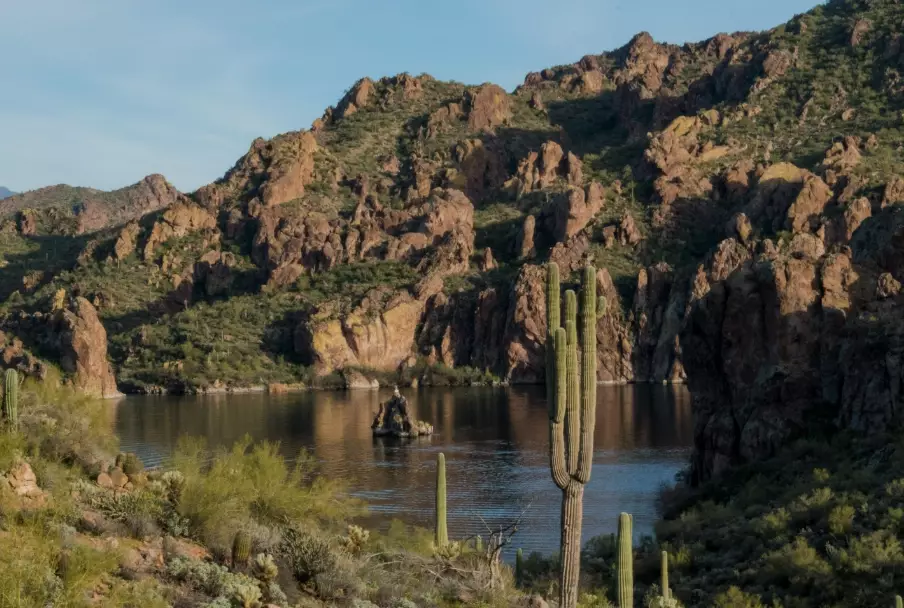
Finding Your Perfect Campsite
Tonto offers two worlds: developed campgrounds and dispersed camping.
Developed Campgrounds like Ponderosa on the Rim or Winding River near Roosevelt Lake have amenities—pit toilets, picnic tables, maybe even showers. They're great for families and first-timers. You can often reserve them on Recreation.gov. They book up months in advance for summer weekends on the Rim.
Dispersed Camping is where the freedom is. You camp for free anywhere off designated forest roads, following Leave No Trace principles. This is my preferred style. The secret is to scout on a map first. Look for forest service roads (FR numbers) that spiderweb off main highways. A good rule: the further you drive down a bumpy FR, the better and more private the spot. My go-to area for a quick escape is along FR 201 near Seven Springs. You can find pockets of shade by the creek. Critical: Bring all your own water and pack out all trash. There are no services.
One specific recommendation: For an unforgettable sunrise, find a dispersed spot along the Mogollon Rim Road (FR 300). Waking up above the clouds is an experience that sticks with you.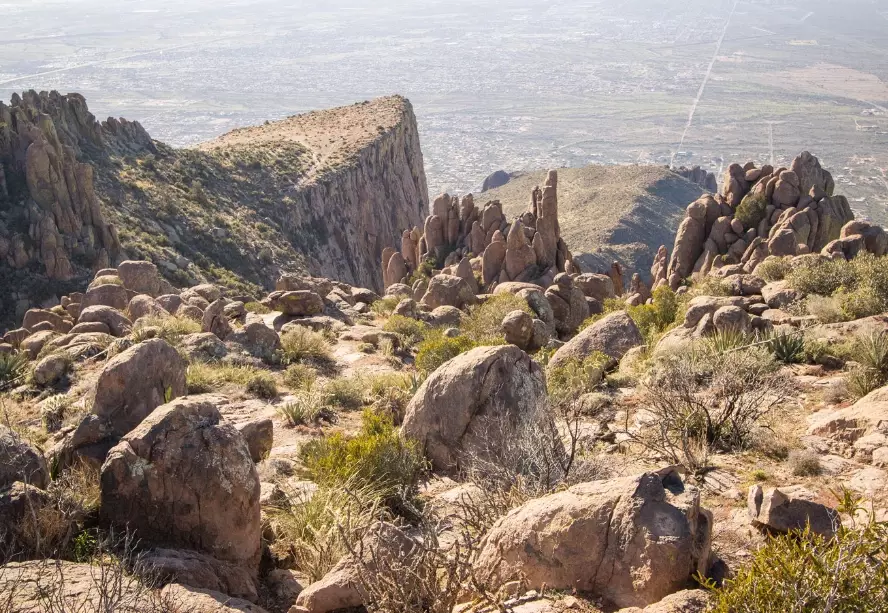
Beyond the Trailhead: Hidden Gems
Everyone heads for the Superstitions. Try these instead when you want to dodge the crowds.
- The Salt River Wild Horses: Don't just go tubing. Drive the Bush Highway along the Lower Salt River at dawn or dusk. Pull over safely, walk quietly to the riverbank, and wait. You'll often see bands of these majestic animals grazing or drinking. Keep a respectful distance—they are wild.
- Tonto Natural Bridge State Park: Technically a state park surrounded by the forest. It's the largest natural travertine bridge in the world. Walking down into the gorge beneath it feels like entering another planet, cool and damp. It has a small day-use fee, but it's worth it.
- Pioneer Pass Loop: A scenic drive starting from Globe, winding up into the Pinal Mountains. The views are expansive, and there are numerous pull-offs for short walks and picnics. You'll have it mostly to yourself on a Tuesday.
Essential Safety Tips Most Blogs Forget
This isn't a city park. The desert and mountains demand respect.
Water is not a suggestion; it's your lifeline. I carry a minimum of one gallon per person per day for hiking, and I keep another two gallons in the car. Dehydration sneaks up on you. If your urine isn't clear, you're already behind.
Tell someone your plan. Write down exactly which trailhead you're using, your intended route, and when you'll be back. Cell service is nonexistent in 90% of the forest.
Footwear matters. Those slick-soled fashion sneakers? They're a twisted ankle waiting to happen on rocky trails. Proper hiking shoes or boots with grip are non-negotiable.
Monsoon season (July-Sept) is no joke. Blue skies can turn to violent thunderstorms in minutes. Get off ridges, out of canyons, and away from tall trees if you see building clouds or hear thunder. Flash floods in narrow canyons are deadly and move faster than you can run.
Finally, the sun. A wide-brimmed hat, sunglasses, and mineral-based sunscreen (it stays on better when you sweat) are mandatory. I've learned the hard way that the Arizona sun spares no one.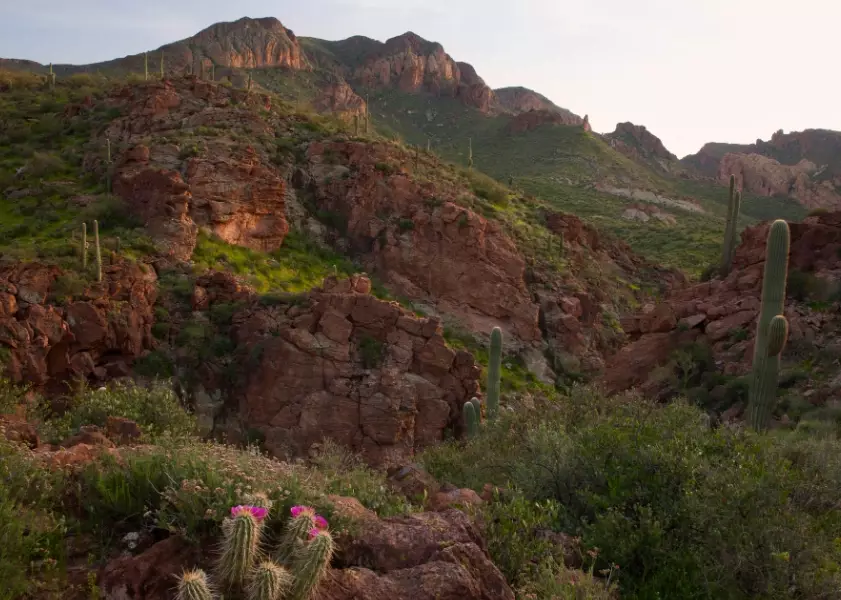
Your Tonto Trip Questions, Answered
The key to a great Tonto trip is matching your expectations to the right piece of this vast forest. Don't try to see it all in one go. Pick a district, dive deep, and let the place reveal itself to you. The silence of the desert, the chill of a pine forest, the shock of seeing a wild horse—these are the moments you'll remember.
This guide is based on extensive personal experience and cross-referenced with current information from the USDA Forest Service Tonto National Forest website.