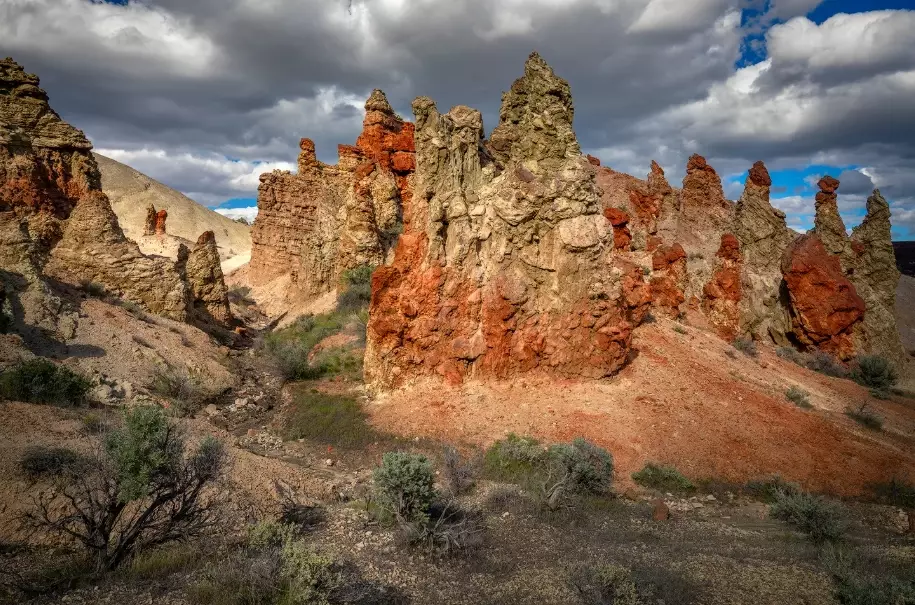
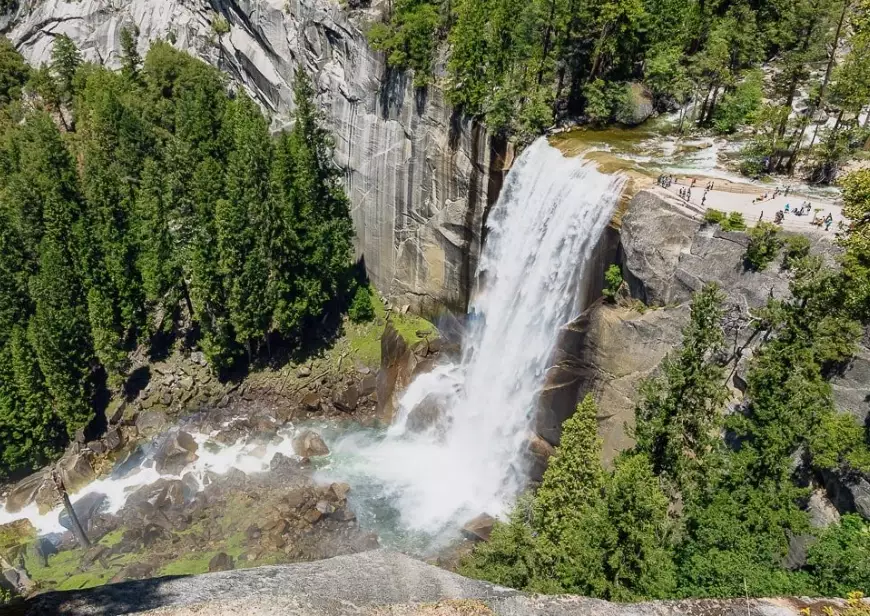
The American Southwest isn't just a dry patch on the map. It's a collection of worlds, each with its own personality. You have the oven-like basins of Death Valley, the Martian red rocks of Sedona, the forests of giant cacti in Saguaro, and the surreal, twisted trees of Joshua Tree. Planning a trip to these places isn't about checking a box. It's about preparation. I've driven thousands of miles across these arid landscapes, from getting a flat tire in 115-degree heat (a story for later) to finding hidden slot canyons most tourists miss. This guide cuts through the generic advice and gives you the real details you need to plan an unforgettable—and safe—desert adventure.
Your Desert Adventure Roadmap
The Top US Desert Parks You Can't Miss
Forget the idea that all deserts look the same. The variety is staggering. Here’s a breakdown of the crown jewels, based on what you're actually looking for. I've included the nitty-gritty details—entrance fees, the closest real towns for gas, and the specific sensations you'll experience—that you only get from being there.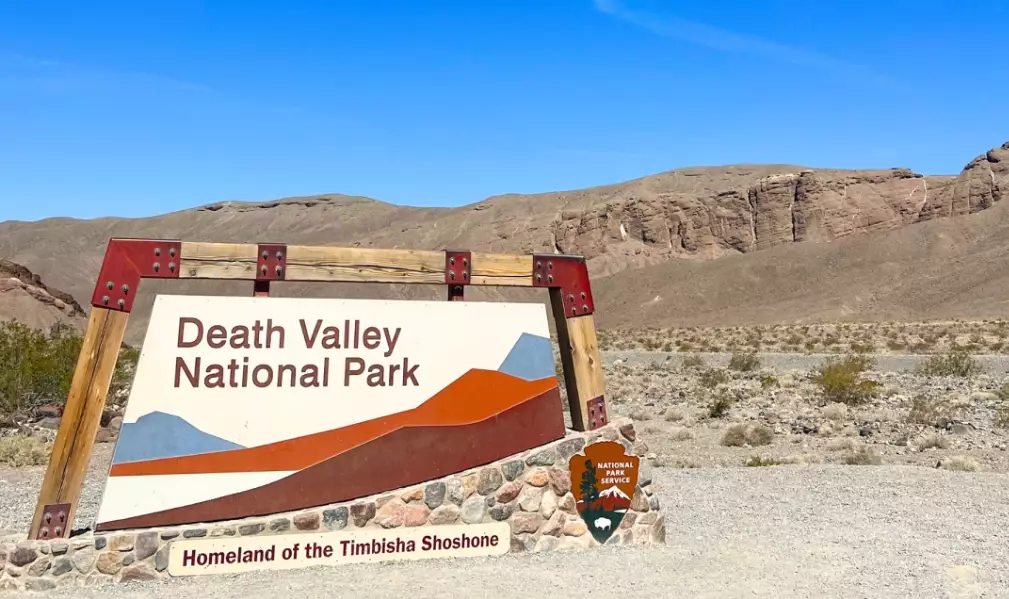
| Park & Location | Entrance Fee & Hours | Best For & Unique Experience | Pro Tip From the Road |
|---|---|---|---|
| Death Valley National Park California/Nevada Border. Main entrance from Beatty, NV or Lone Pine, CA. |
$30 per vehicle (7-day pass). Park is open 24/7, year-round. Visitor centers have typical 8am-5pm hours. | Extreme landscapes. Walking on Badwater Basin, the lowest point in North America (-282 ft). The heat is a physical presence. Dante's View at sunrise offers a dizzying panorama. | Fill your gas tank in Beatty or Lone Pine. Stations inside the park (Stovepipe Wells, Furnace Creek) are notoriously expensive. In summer, do anything outside before 10am. |
| Grand Canyon National Park (South Rim) Northern Arizona. Main gate near Tusayan, AZ. |
$35 per vehicle (7-day pass). South Rim is open 24/7. The main visitor center (Park Headquarters) is open daily. | Iconic vistas. The sheer scale is incomprehensible until you see it. Hiking partway down the Bright Angel Trail gives you perspective. The Desert View Watchtower is a quieter, equally stunning viewpoint. | Don't just go to Mather Point. Take the free shuttle bus to Hermits Rest Route (Mar-Nov) for nine different, less crowded viewpoints. Parking at the main village is a nightmare by 9am. |
| Joshua Tree National Park Southern California. Entrances at Twentynine Palms, Joshua Tree, and Cottonwood Springs. |
$30 per vehicle (7-day pass). Open 24/7. Oasis Visitor Center in Twentynine Palms is a great first stop. | Otherworldly rock formations & stargazing. The namesake Joshua Trees are hypnotic. Rock scrambling at Jumbo Rocks is a blast. At night, the sky explodes with stars. It feels like you're on another planet. | The park has two distinct desert ecosystems. The Colorado (eastern, lower) feels sparse and rugged. The Mojave (western, higher) has the dense Joshua Tree forests. See both. Book camping sites months in advance. |
| Saguaro National Park (West) Tucson, Arizona. Two districts: East (Rincon) and West (Tucson Mountain). |
$25 per vehicle (7-day pass). Gates open sunrise to sunset. Red Hills Visitor Center (West) is excellent. | Iconic giant cacti. It's the classic "Western" desert scene. The Saguaros have personality—some look like they're waving. The Bajada Loop Drive is an easy, beautiful tour. | Visit at sunset. The silhouettes of the saguaros against a pink and orange sky are magical. The East district is more mountainous and hiking-focused, while the West is easier to navigate quickly. |
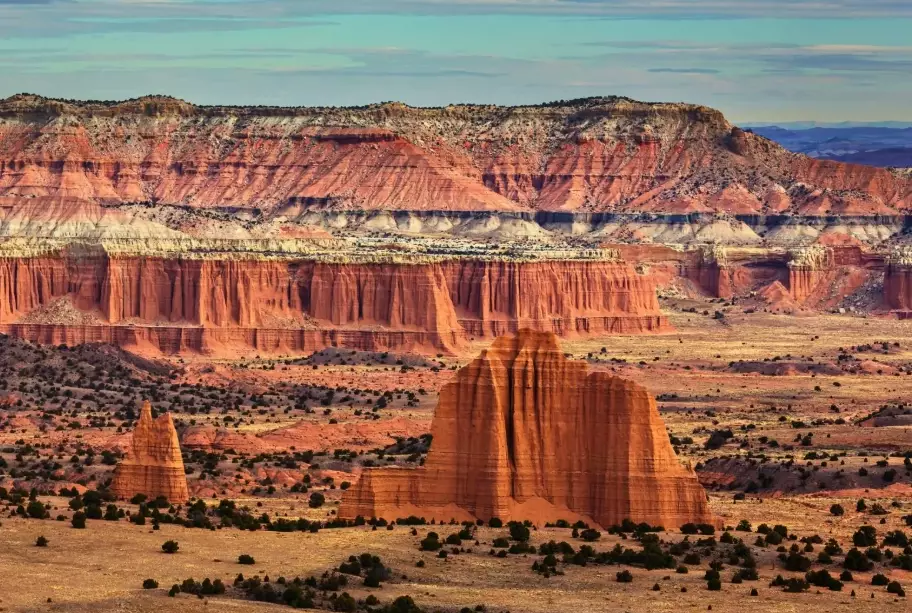
| Arches National Park Moab, Utah. Just north of the town of Moab. |
$30 per vehicle (7-day pass). Open 24/7. You often need a timed entry reservation from April-October. | Concentration of natural stone arches. Delicate Arch is the poster child, but the Windows Section has a huge payoff for minimal hiking effort. The landscape is a fiery red. | If you can't get a timed entry ticket, enter before 6am or after 4pm. The light for photography is better then anyway. The hike to Delicate Arch is moderate and exposed—take 2 liters of water per person, no joke. |
That table gives you the blueprint. But here's a personal aside on Death Valley. Everyone talks about the heat at Furnace Creek. What they don't mention is the wind. I was at Mesquite Flat Sand Dunes at dusk, and a sudden gust blew fine sand into every conceivable crevice of my camera bag. It took weeks to fully clean it out. The desert is beautiful but assertive. It doesn't care about your plans.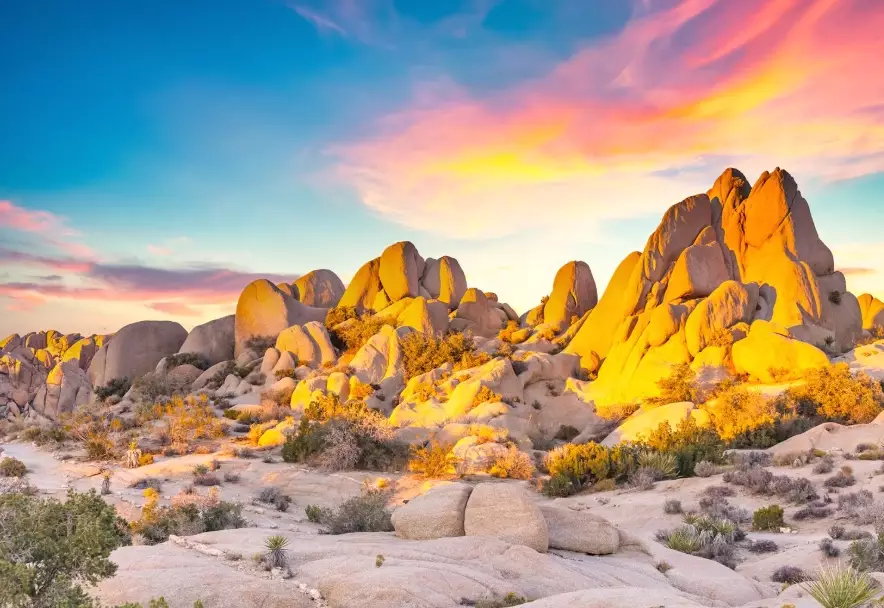
How to Plan Your Desert Trip: Timing, Gear & Safety
This is where most blog posts give you fluffy advice. I'm going to tell you what actually matters, born from mistakes I've made so you don't have to.
When to Go: It's Not Just About Summer vs. Winter
The golden rule is to visit from October to April. Summer in places like Death Valley or the lower elevations of the Grand Canyon is brutal and potentially dangerous for the unprepared. But there's nuance. Spring (March-May) brings wildflowers in places like Anza-Borrego or parts of Joshua Tree—a fleeting, spectacular show. Fall (September-October) has warm days but pleasantly cool nights perfect for camping.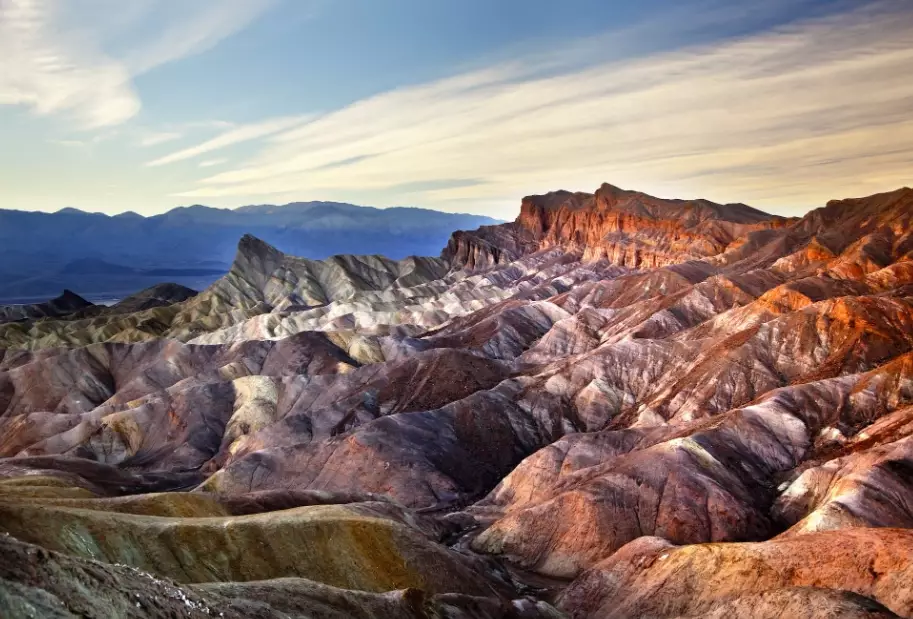
Winter can be cold, especially at higher elevations. The Grand Canyon's South Rim can get snow. It's stunning, but you need winter gear. The desert floor (like Phoenix, Tucson, Palm Springs) remains mild and sunny, making it ideal.
A crucial, often-overlooked tip: Check for monsoon season if you're in Arizona or Utah in late July through August. These aren't gentle rains. They are violent, localized thunderstorms that cause flash flooding in canyons and washes. A sunny sky can turn deadly in 30 minutes. Always check the weather forecast and never enter a narrow canyon if rain is predicted anywhere upstream.
The Non-Negotiable Packing List
You can forget your fancy hat, but don't forget these.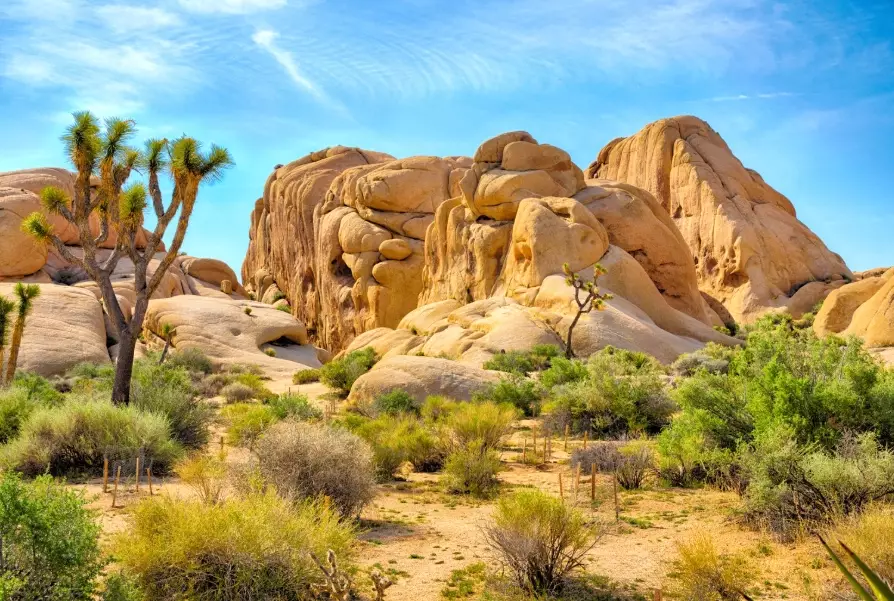
Water. More than you think. The standard advice is one gallon per person, per day. For any activity beyond sitting in your car, I bump that to 1.5 gallons. Dehydration happens fast and impairs judgment. I use reusable gallon jugs, not just small plastic bottles.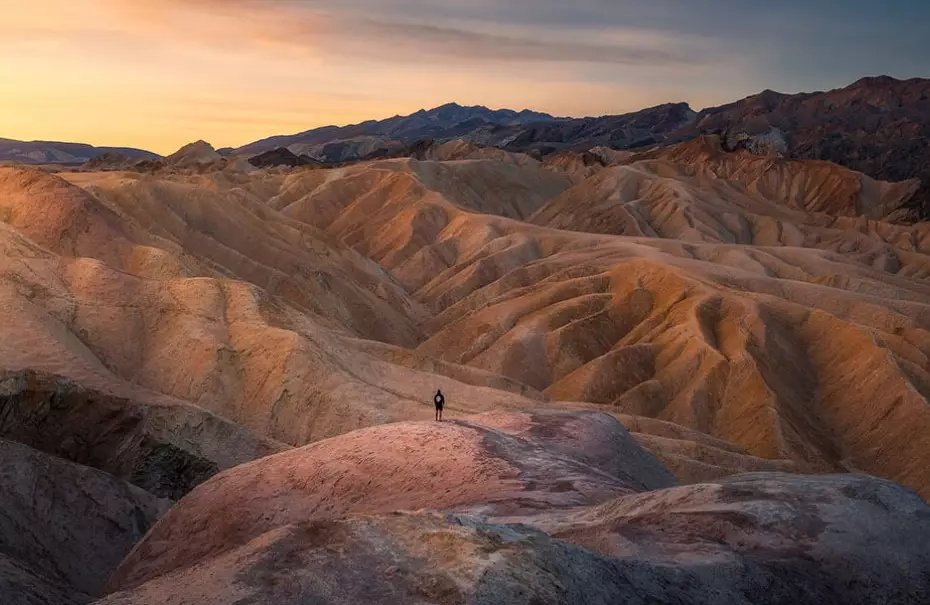
Electrolytes. Drinking only water in extreme heat can flush out your salts. Pack electrolyte tablets or powder to add to one of your water bottles each day.
Sun Protection that Works. A wide-brimmed hat (not a baseball cap), UV-blocking sunglasses, and mineral-based sunscreen (zinc oxide) for your face. The sun is relentless, and reflection off sand and rock doubles the exposure.
Navigation that Doesn't Need a Signal. Cell service is a fantasy in most of these parks. Download offline maps on Google Maps or, better yet, use a dedicated app like Gaia GPS. Have a physical paper map as a backup. Getting lost off a main road is a serious situation.
Car Emergency Kit. Beyond the standard spare tire and jack: extra water (a sealed case in the trunk), a blanket, jumper cables, and a flashlight. Tell someone your itinerary and expected return time.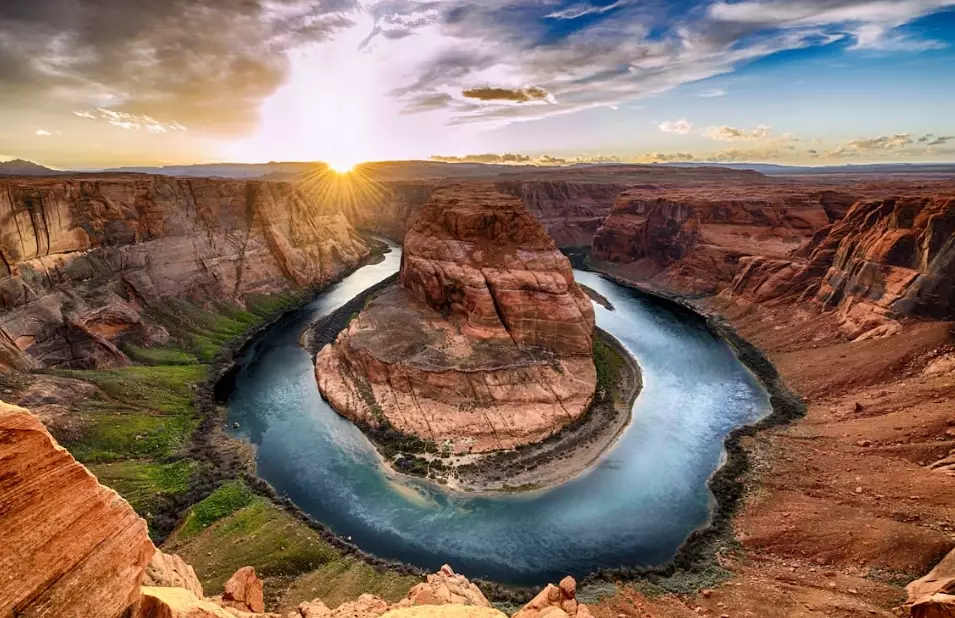
Desert Photography: Capturing the Light and Landscape
The light makes the desert. Harsh midday sun flattens everything. The magic hours are the first and last two hours of daylight. The low angle creates long shadows, reveals texture in the rocks, and paints the sky in impossible colors.
Forget trying to capture the vastness in one shot. It rarely works. Instead, find a focal point—a unique cactus, an interesting rock formation, the curve of a dune—and use it to lead the eye into the scene. A polarizing filter is your best friend here. It cuts the glare off rocks and makes the blue sky pop against red sandstone.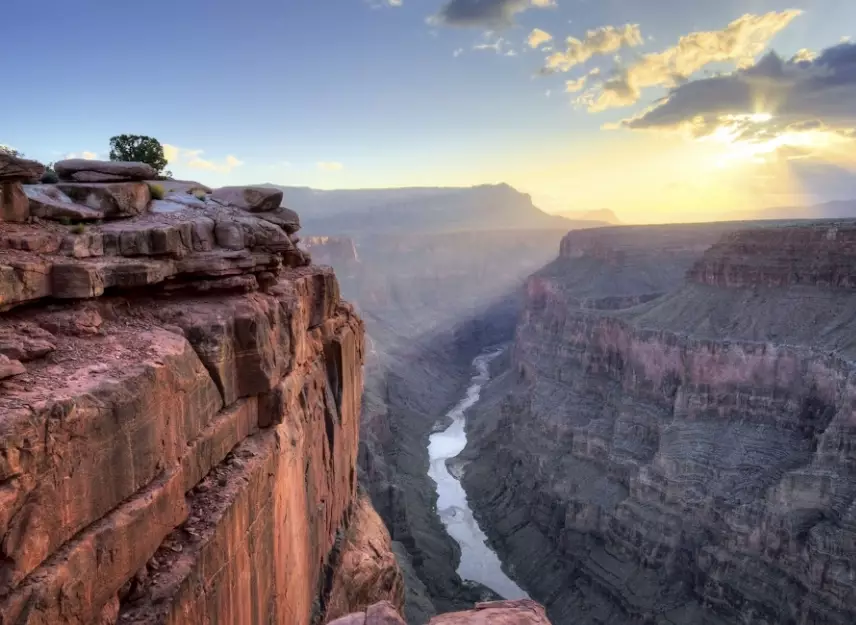
At night, the desert offers some of the darkest skies in the country. For astrophotography, you need a sturdy tripod and a camera capable of manual settings. But even with a modern smartphone, using night mode and propping it against your backpack can yield amazing shots of the Milky Way over a Joshua Tree.
Protect your gear. Sand and dust are the enemies. Keep your camera in a sealed bag when not in use, and avoid changing lenses in windy conditions. That sand-in-my-camera-bag lesson was expensive.
Your Desert Travel Questions Answered
Joshua Tree National Park is the most accessible and forgiving introduction. It's relatively compact, the roads are good, and the town of Twentynine Palms right outside the gate has services. The landscapes are uniquely bizarre but not overwhelmingly vast, and the hiking trails range from easy nature walks to challenging scrambles. You get a taste of desert solitude without being hours from help.
You plan your day like a desert animal. Be active only during the coolest parts: sunrise to 10am, and after 4pm. The middle of the day is for driving scenic routes, visiting air-conditioned visitor centers, or taking a long lunch in town. For kids, make hydration a game. Give them their own colorful water bottle and set timers to drink. For older adults, the dry heat can be deceptively taxing. Schedule frequent, shaded rest stops and watch for signs of fatigue or confusion, which are early indicators of heat stress.
It carries significant risk that I don't recommend for the average traveler. If you do choose to hike alone, you must over-communicate. File a detailed hiking plan with a park ranger or a friend outside the park, including your exact trail and expected return time. Stick to well-marked, popular trails. Carry a personal locator beacon (PLB) or satellite messenger like a Garmin inReach. Your margin for error—a sprained ankle, a wrong turn—shrinks to zero when you're alone and out of cell range.
Underestimating distance and time. The scale is deceptive. A viewpoint that looks "just over there" might be a 30-minute drive on a winding road. A 3-mile hike on a flat trail in 95-degree heat will take twice as long and exhaust you. They also rely solely on their phone. The moment you lose service—which is constant—you lose maps, information, and the ability to call for help. Always have a physical backup plan for navigation and information.
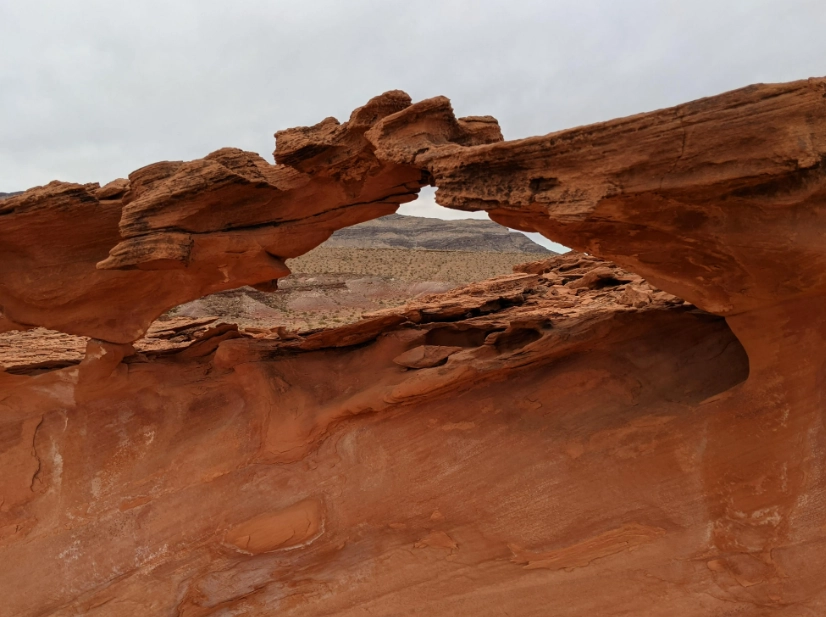
Absolutely, and they often offer more solitude. Look to Bureau of Land Management (BLM) lands and National Monuments. Places like Valley of Fire State Park in Nevada, Anza-Borrego Desert State Park in California, or the Canyonlands National Park area near Moab (which is different from Arches) have phenomenal scenery with fewer crowds. Research "dispersed camping" rules on BLM land for a true backcountry experience.
The deserts of the USA challenge and reward you in equal measure. They demand respect and preparation but give back moments of profound silence and beauty you can't find anywhere else. It's not a passive vacation; it's an engagement with an ancient, powerful landscape. Do your homework, pack with care, and go see these incredible places for yourself.
This guide is based on personal travel experience and cross-referenced with official resources from the National Park Service.