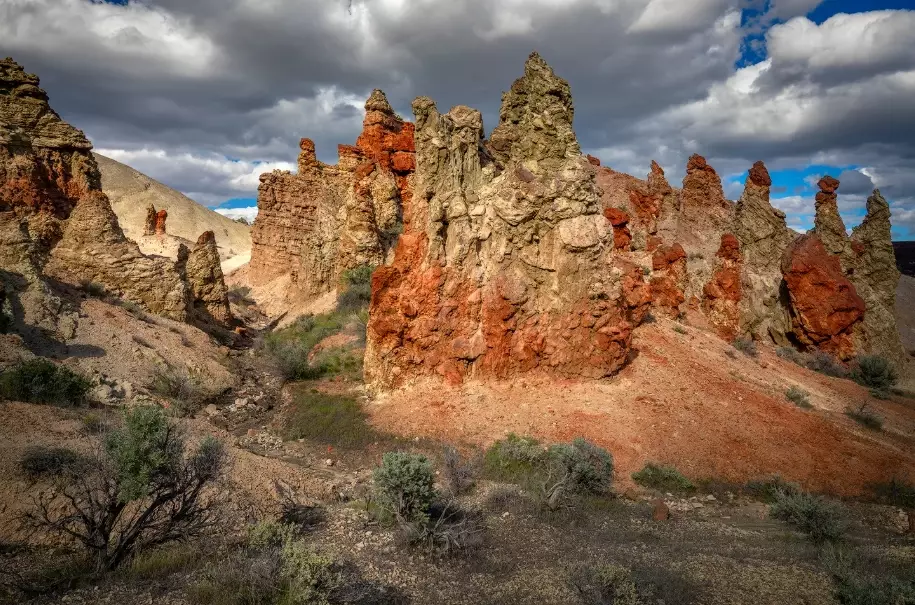
Let's cut to the chase. A trip to Utah's "Mighty 5" national parks isn't just another vacation; it's a pilgrimage through some of the most surreal landscapes on the planet. I've done this loop three times now, in different seasons and with different groups, and each time I pick up new tricks that most first-timers completely miss. The standard advice will tell you to go to Zion and Arches. I'm here to tell you how to experience them without feeling like you're in a theme park queue, where to find the silence most visitors never hear, and how to string it all together in a trip that feels adventurous, not exhausting.
Your Road Trip Jump-Off Point
Meet the Mighty 5: A Quick Snapshot
Before we dive into the day-by-day plan, you need to know the personality of each park. Treating them all the same is the first big mistake. Bryce isn't Zion, and Capitol Reef is a world away from Arches.
| Park | Core Vibe & Must-See | Practical Info (Address, Fee, Hours) | My Personal Take |
|---|---|---|---|
| Zion National Park | Towering sandstone cliffs, narrow slot canyons. Angel's Landing & The Narrows are iconic. | Springdale, UT. $35/vehicle. South Entrance open 24/7; visitor centers 8 am-5 pm. Shuttle required for Scenic Canyon Drive (Mar-Nov). | The most crowded, but for a reason. The scale is humbling. Get there at sunrise or you'll be sharing the trail with hundreds. |
| Bryce Canyon National Park | A forest of crimson hoodoos (spire-shaped rocks). Sunrise at Sunrise Point is non-negotiable. | Bryce, UT. $35/vehicle. Park open 24/7. The 18-mile main road is easy to self-drive. | Coldest of the five, even in spring. The altitude (8,000-9,000 ft) hits you. It feels more like walking on Mars than hiking in a canyon. |
| Arches National Park | Over 2,000 natural stone arches. Delicate Arch is the state's symbol. | Moab, UT. $30/vehicle. Open 24/7. Timed Entry Reservation required (Apr-Oct). | Deceptively spread out. Driving from the entrance to the Devil's Garden trailhead takes 40 minutes. Plan driving time, not just hike time. |
| Canyonlands National Park | Vast, layered desert wilderness divided into districts. Island in the Sky is most accessible. | Near Moab, UT. $30/vehicle. Open 24/7. Island in the Sky district is 40 mins from Moab. | The quiet sibling to Arches. Mesa Arch at sunrise is busy, but hike a mile beyond any overlook and you'll have the Grand Canyon-scale view to yourself. |
| Capitol Reef National Park | A hidden gem with a historic orchard, colorful cliffs, and the Waterpocket Fold. | Torrey, UT. $20/vehicle. Open 24/7. Scenic Drive is a 10-mile paved road. | The underdog. People skip it to spend more time in Moab. Big mistake. The pie at the historic Gifford Homestead is worth the drive alone. |
Pro Tip on Fees: Just buy the $80 America the Beautiful Annual Pass at your first park gate. It pays for itself after three park entries and is valid at all federal recreation sites for a year.
The Perfect 7-Day Mighty 5 Itinerary
This loop starts and ends in Las Vegas (the most common flight hub) and moves counter-clockwise. Why counter-clockwise? You hit the less crowded parks first, building up to the big names, and the driving views just feel more dramatic this way.
Day 1: Las Vegas to Capitol Reef
Drive time: ~4 hours. This is a transition day. The goal is to get to Torrey, Utah, the gateway to Capitol Reef. Stop in the tiny town of Beaver for a late lunch and some surprisingly good local cheese.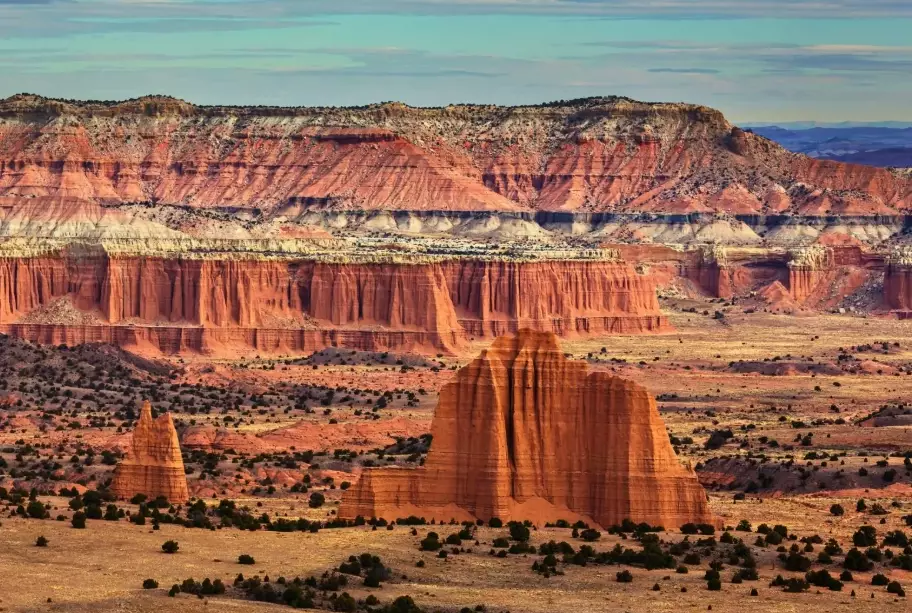 Check into your hotel in Torrey (I like the Capitol Reef Resort for its themed cabins, but the Skyview Guesthouses are fantastic for stargazing). Use the late afternoon to drive the park's Scenic Drive and stretch your legs on the short, paved Capitol Gorge Trail. It gives you a perfect taste of the park's texture.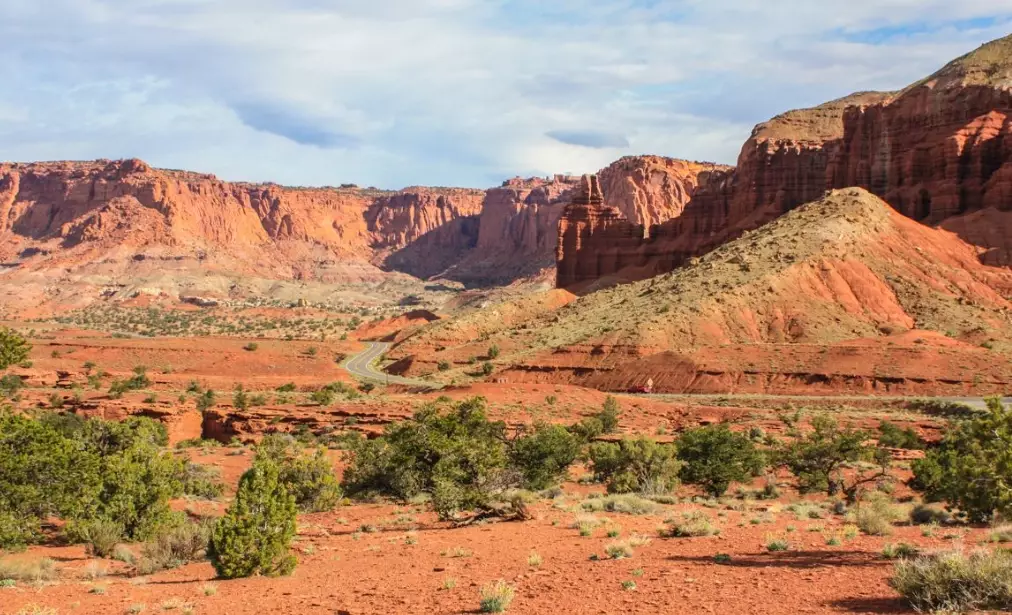
Day 2: Capitol Reef Deep Dive
Morning: Hike the Cassidy Arch Trail (3.5 miles roundtrip). It's a moderate climb with a huge payoff—you can stand on top of a massive arch. Afternoon: This is the key most itineraries miss. Drive south on the unpaved but well-graded Capitol Gorge Road to the Pioneer Register, where 19th-century travelers carved their names. 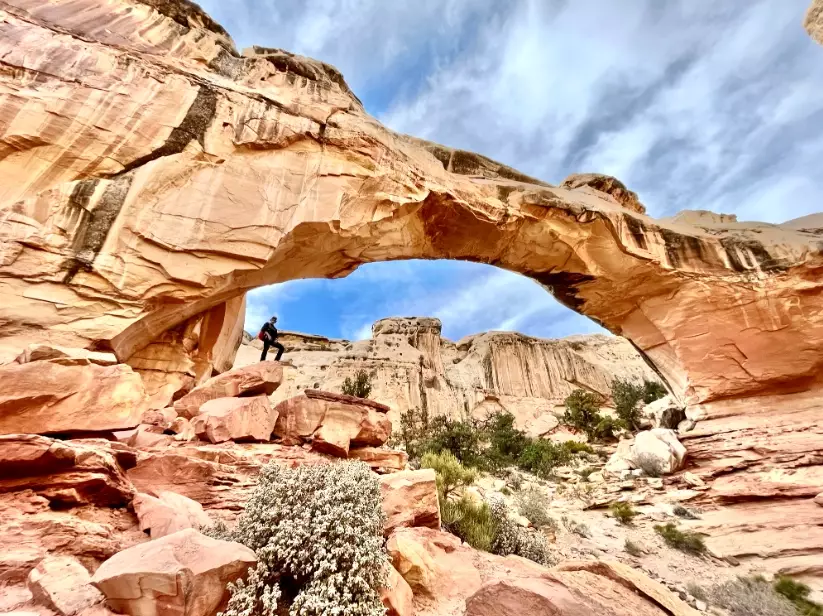 You'll see maybe three other cars. Back in the historic Fruita district, stop at the Gifford Homestead for a slice of fresh fruit pie (cherry is my favorite). They sell out by early afternoon.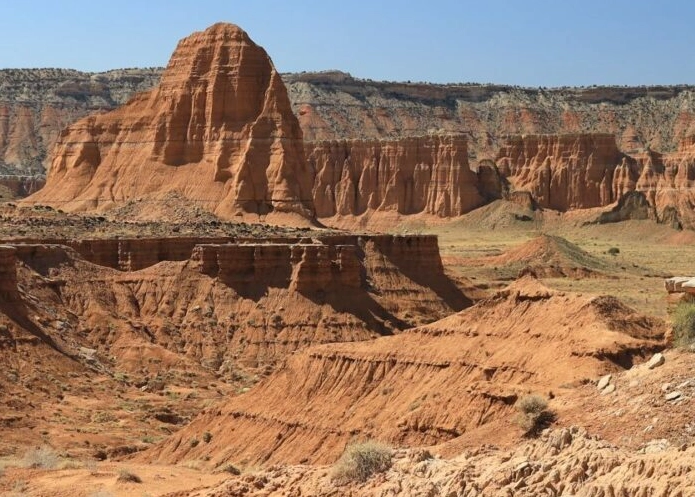
Day 3: Capitol Reef to Moab (Arches & Canyonlands Base)
Drive time: ~2.5 hours. You're heading to Moab. Don't go straight to your hotel. Take the detour to the Island in the Sky district of Canyonlands National Park. Have lunch at the picnic tables near the visitor center. Then, do the short walk to Mesa Arch (0.7 miles). The view of the White Rim through the arch is incredible.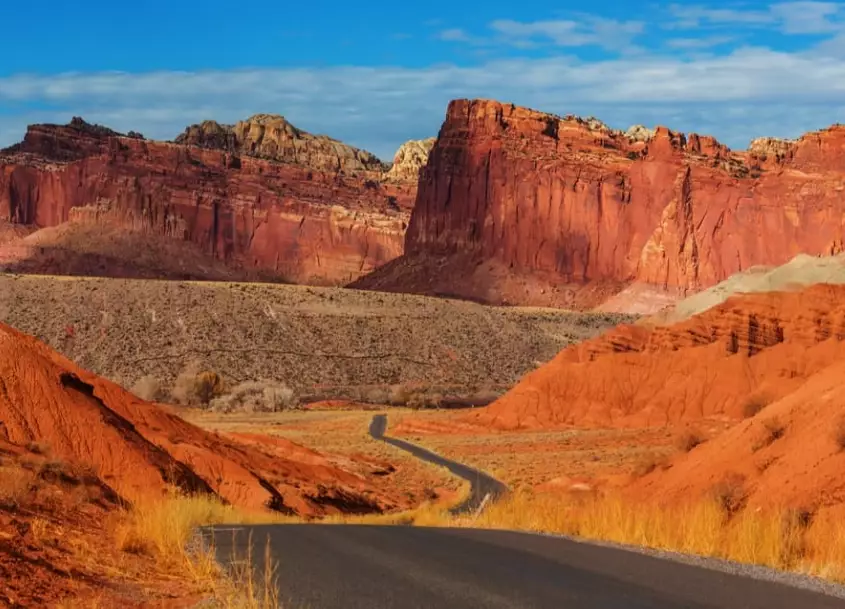 For a longer hike with zero crowds, try the Murphy Point Overlook trail (3.6 miles roundtrip). You'll feel like you're on the edge of the world. Settle into Moab for the next three nights.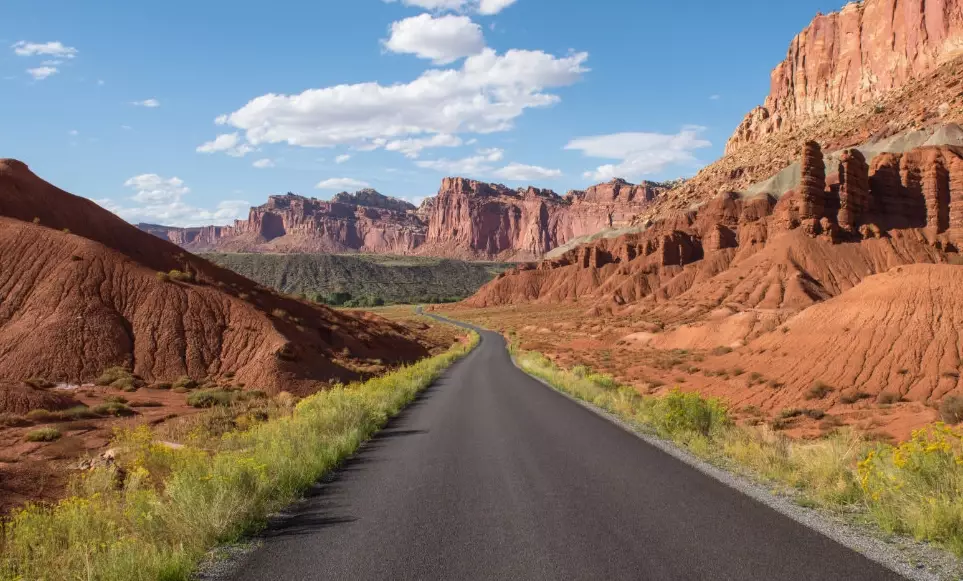
Day 4: Arches National Park
You need that timed entry reservation. Enter as early as you can. Head straight to the back of the park for the Devil's Garden Trail. Hike to Landscape Arch (1.6 miles roundtrip), a thin, breathtaking span. If you're feeling ambitious, continue on the primitive trail—it's rugged and quiet. Afternoon: Rest during the peak heat. 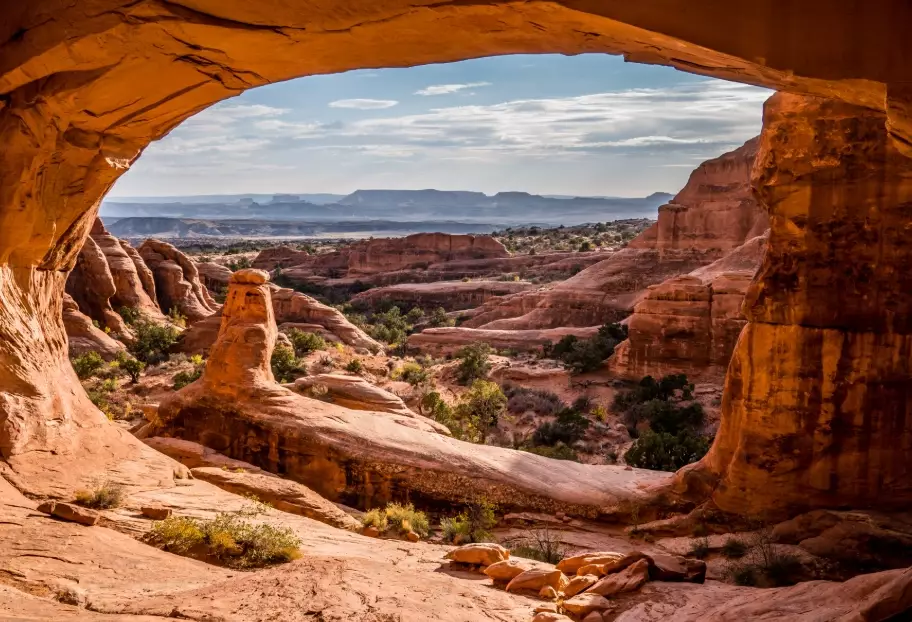 Later, drive to the Windows Section for sunset. Turret Arch and the North Window frame each other perfectly for photos. Delicate Arch is the sunset classic, but it's a 3-mile roundtrip hike with significant elevation gain and will be packed. I prefer seeing it from the Lower Delicate Arch Viewpoint, which is a flat, 100-yard walk.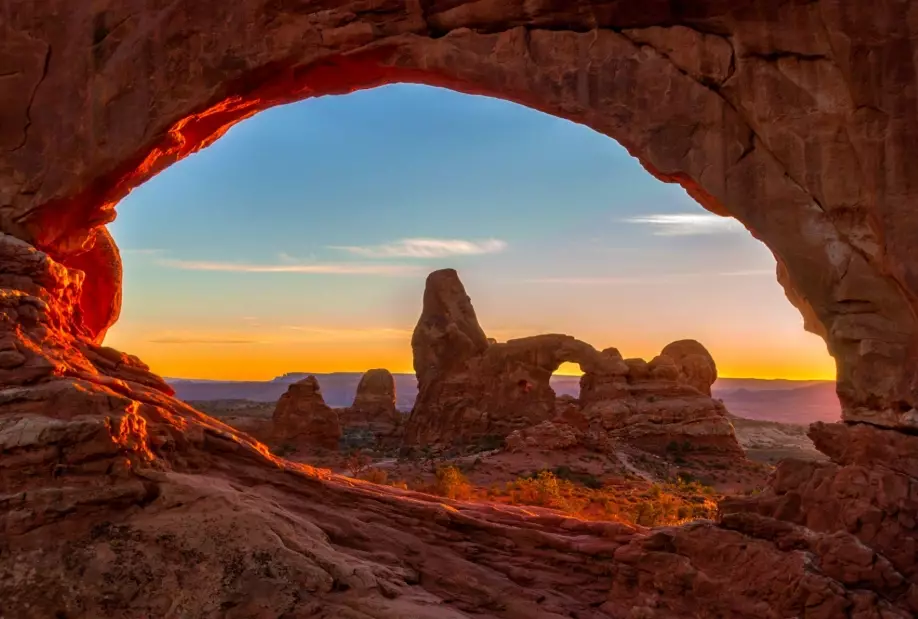
Day 5: Moab Flexibility & Canyonlands Again
This is a buffer day. Options: Raft the Colorado River, mountain bike the Slickrock Trail, or explore the otherworldly Dead Horse Point State Park (worth the separate entry fee). Alternatively, return to Canyonlands' Grand View Point Overlook for a different perspective. Moab has great food—try the Eklecticafe for breakfast or the Moab Brewery for a burger and a local beer.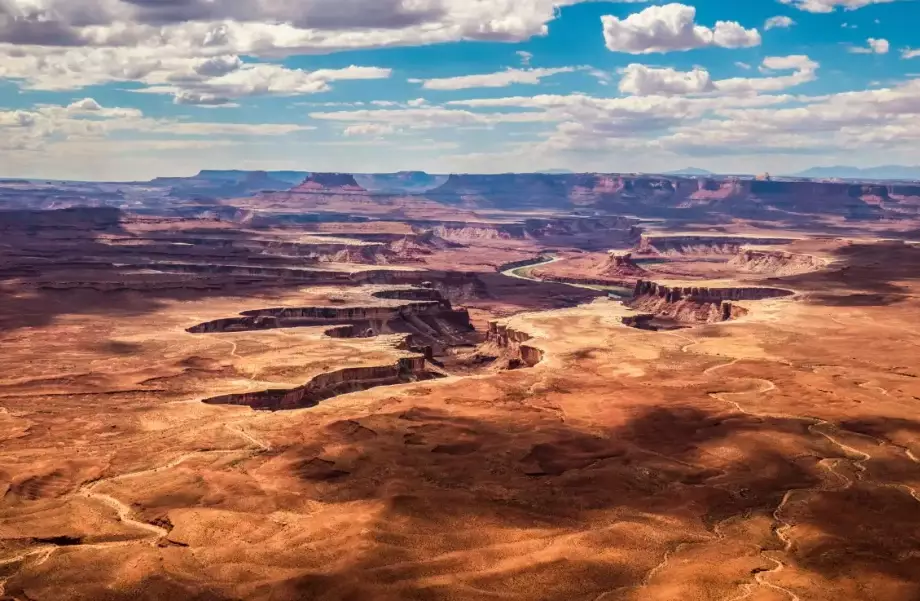
Day 6: Moab to Bryce Canyon
Drive time: ~4.5 hours. It's a long haul through stark, beautiful desert. Stop at the Hole N" The Rock roadside attraction for a quirky break. Arrive at Bryce in the late afternoon. Don't even think about going into the park yet. Check into your lodge (the Best Western Plus Ruby's Inn is functional and close) or a cabin in Tropic. Drive to Sunset Point for, you guessed it, sunset. Watching the last light hit the hoodoos is pure magic. The colors shift from orange to deep crimson in minutes.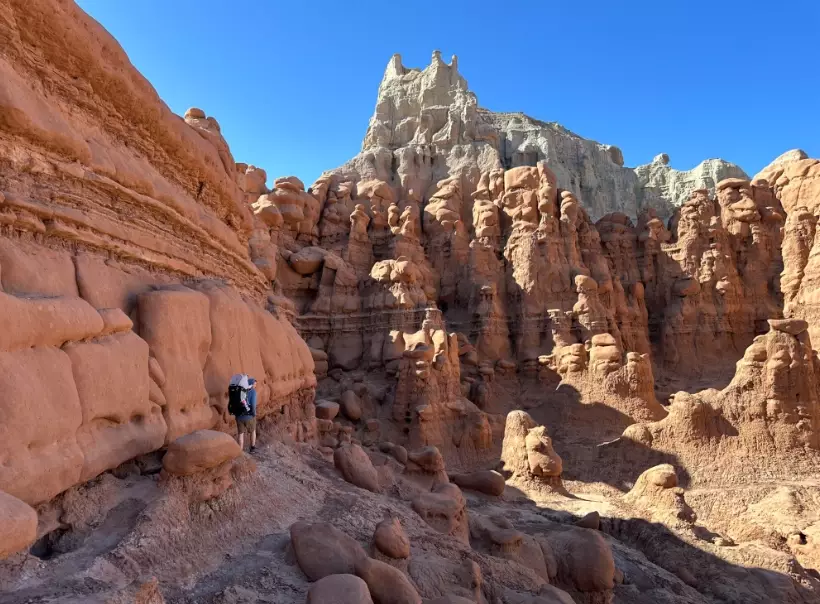
Day 7: Bryce Canyon to Zion
Morning: Get up in the dark. Drive to Sunrise Point (yes, it's for sunrise). The view down into the amphitheater as the first light touches the tops of the hoodoos is unforgettable. Then, hike the Queen's Garden/Navajo Loop combination (about 3 miles). You descend right into the heart of the hoodoos. It's the best way to experience Bryce. Afternoon: Drive to Springdale, the town outside Zion (2 hours). Get settled, then take the free town shuttle to the park's pedestrian entrance. Walk the easy Pa'rus Trail along the Virgin River as the sun sets on the cliffs. You've earned it.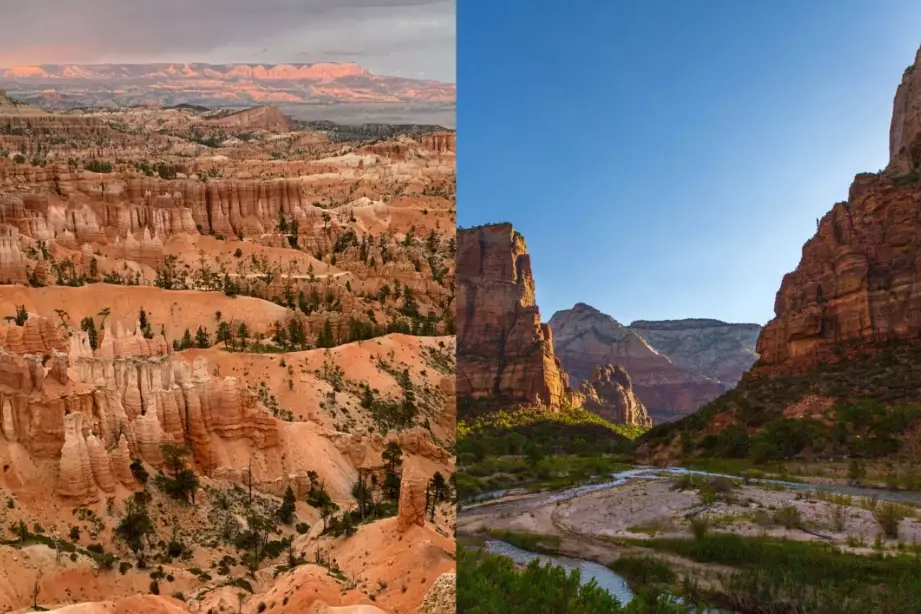
Where to Stay Reality Check: Inside-park lodges (Zion Lodge, Bryce Canyon Lodge) book up 6-12 months in advance. Don't stress. The gateway towns (Springdale, Torrey, Moab) have tons of options from hotels to vacation rentals. In Springdale, the Zion Canyon Lodge is a good mid-range pick. In Moab, the Aarchway Inn has nice grounds and pools. Booking a place with a kitchenette can save you money and time on meals.
Hiking Beyond the Postcard Views
Everyone will tell you to hike Angels Landing (if you can get a permit) and The Narrows. They're famous for a reason. But here are two less-crowded alternatives in each park that often deliver a better experience.
In Zion: Instead of fighting for an Angels Landing permit, hike Observation Point via the East Mesa Trail (7 miles roundtrip, flat). The view down Zion Canyon is even higher and more sweeping. For a slot canyon without the crowds of The Narrows, try the Orderville Canyon day hike (requires a permit, less crowded).
In Bryce: Beyond the Queen's Garden, the Fairyland Loop (8 miles) is a full immersion into the bizarre landscape with a fraction of the people.
In Arches: Skip the crowded Delicate Arch hike and explore the Fiery Furnace. You must join a ranger-guided tour or obtain a permit for self-exploration (they want to ensure you have navigation skills). It's a maze of narrow sandstone canyons—the most adventurous feeling in the park.
In Canyonlands: The White Rim Overlook trail (1.8 miles roundtrip) near the visitor center offers a stunning, quiet perspective of the mesa dropping away.
In Capitol Reef: The Chimney Rock Loop (3.6 miles) gives you a great overview of the park's west side with steady climbs and big views.
Beating the Crowds and the Heat
This is the single biggest pain point for visitors. The parks feel overcrowded from 10 am to 4 pm, especially April through October.
My non-negotiable strategy: Become a dawn person. Enter the park at or before sunrise. You'll have the best light for photography, pleasant temperatures, and trails to yourself for at least two hours. By 9 am, you can be finishing a major hike as the crowds pour in. Use the midday heat for driving, visiting visitor centers, having a long lunch, or napping back at your lodging. Go back out for late afternoon and sunset.
Seasonal Advice: Spring (April-May) and Fall (September-October) are ideal. Summer is scorching—if you go then, the dawn/dusk strategy is a safety must. Winter is cold, especially in Bryce, but offers solitude and stunning snow-dusted red rock. Some park roads may be closed.
Planning Essentials Nobody Tells You
- Water is a Weapon: You need at least one gallon (4 liters) of water per person, per day. Dry air and altitude dehydrate you faster than you think. I carry a 3-liter hydration bladder and a spare bottle in the car. Refill at every visitor center.
- Footwear is Everything: Hiking boots or sturdy trail runners with good grip are mandatory. Sandals are for the hotel pool. For The Narrows, you'll need closed-toe water shoes or canyoneering shoes (rent them in Springdale).
- The Gas Station Rule: Never let your tank drop below half. Services are far between, especially between Capitol Reef and Moab, and Moab and Bryce.
- Leave No Trace, Seriously: This is a fragile desert ecosystem. Stay on marked trails. Don't stack rocks (cairns are for navigation). Pack out all trash, including toilet paper if you're backcountry camping. It's not just a slogan; it's a necessity.
Your Utah National Parks FAQs Answered
This guide is based on multiple personal trips and on-the-ground experience. The distances, driving times, and crowd patterns are real. The goal isn't to just check five boxes, but to come away with a genuine connection to this incredible corner of the American Southwest. Start planning, get those reservations, and prepare for a trip that will stick with you long after the hiking boots are put away.