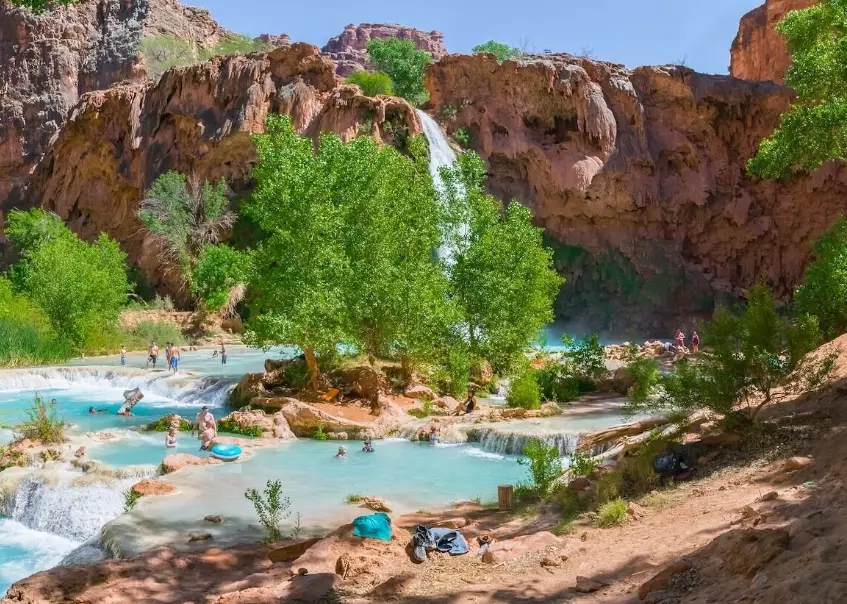
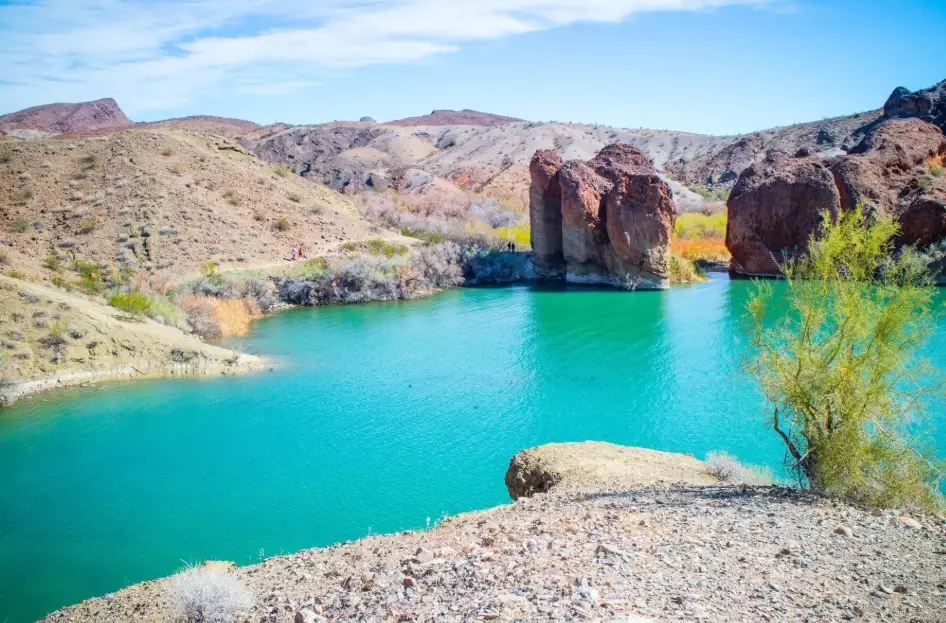
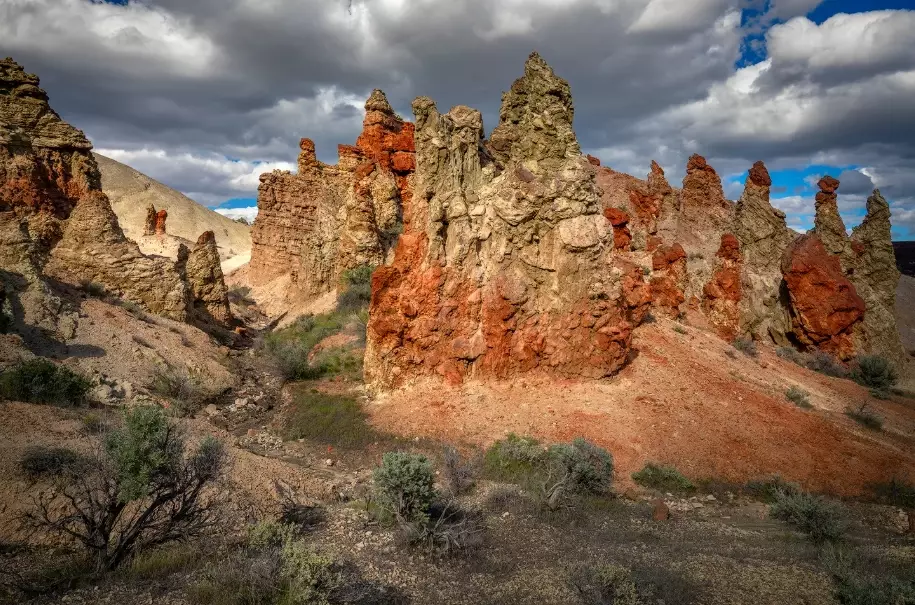
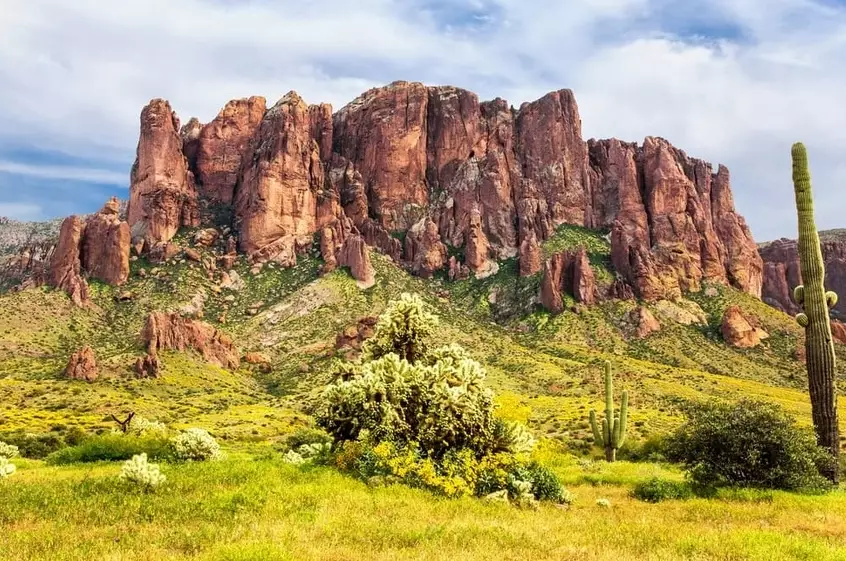
I still remember the first time I stumbled upon Spring Valley State Park. I was driving back from a hectic week in Las Vegas, took a wrong turn, and ended up on a dusty road lined with Joshua trees. The silence hit me first—no slot machines, no traffic, just the wind whispering through the canyons. If you're looking for a genuine Nevada wilderness experience without the tourist hordes, this park is it. Forget what you've heard about crowded national parks; here, you can hike for hours and maybe see one other person. Let's get straight into why this place deserves a spot on your itinerary.
Quick Navigation: What's Inside This Guide
- Why Spring Valley State Park Beats Other Nevada Parks
- How to Get to Spring Valley State Park: Directions & Transport
- Top Hiking Trails in Spring Valley: From Easy Walks to Challenges
- Camping at Spring Valley State Park: Sites, Fees & Tips
- Essential Tips for Your Visit: Weather, Gear & Safety
- Frequently Asked Questions: Expert Answers
Why Spring Valley State Park Beats Other Nevada Parks
Most visitors flock to Valley of Fire or Red Rock Canyon, and that's exactly why Spring Valley remains a hidden gem. I've been to all of them, and what sets Spring Valley apart is its raw, untouched feel. The park spans over 5,000 acres of high desert terrain, with elevations ranging from 4,000 to 6,000 feet. You'll find diverse ecosystems—from sagebrush flats to piñon-juniper woodlands—that support wildlife like mule deer, coyotes, and even the occasional golden eagle. Unlike more commercialized spots, there's no entrance kiosk blaring announcements; you just park and start exploring.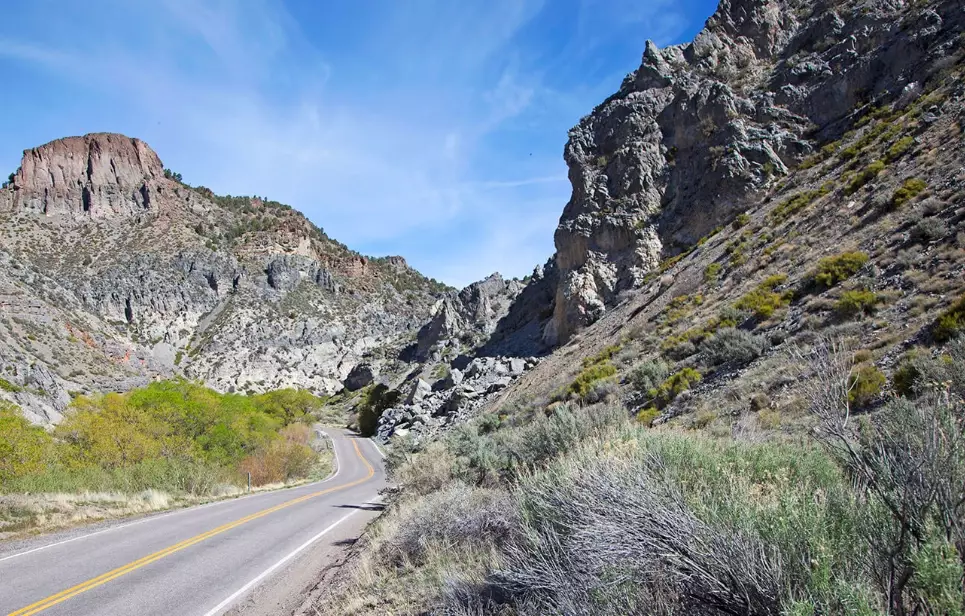
One thing I appreciate: the lack of development. There are no gift shops or cafes, which means you need to come prepared. But that's part of the charm. The night skies here are some of the darkest in Nevada, perfect for stargazing. I once spent an evening on the Ridge Trail and saw the Milky Way so clearly it felt like I could touch it.
How to Get to Spring Valley State Park: Directions & Transport
Location is everything, and Spring Valley is conveniently close to Las Vegas yet feels worlds away. The park is situated in Lincoln County, about 90 miles north of the Las Vegas Strip. Here's a breakdown of the essentials:
| Information Type | Details |
|---|---|
| Official Address | Spring Valley Road, Pioche, NV 89043 (use this for GPS; it's approximate) |
| Nearest Major City | Las Vegas, NV – approximately 1.5 to 2 hours drive |
| Entrance Fee | Free for day use; camping fees apply (see below) |
| Operating Hours | Open daily from sunrise to sunset; overnight camping allowed in designated areas |
| Parking Availability | Small gravel lots at trailheads; no paved parking |
To get there from Las Vegas, take US-93 North toward Pioche. After about 80 miles, look for the unmarked turn onto Spring Valley Road—it's easy to miss, so I recommend setting your GPS to the coordinates 37.9200° N, 114.4500° W. The road is mostly dirt and gravel for the last 10 miles, so a high-clearance vehicle is ideal, though I've seen sedans make it in dry weather. If you're relying on public transport, forget it; there's no bus service. Your best bet is renting a car from Las Vegas McCarran International Airport. For authoritative travel info, check the Nevada Department of Transportation website for road conditions.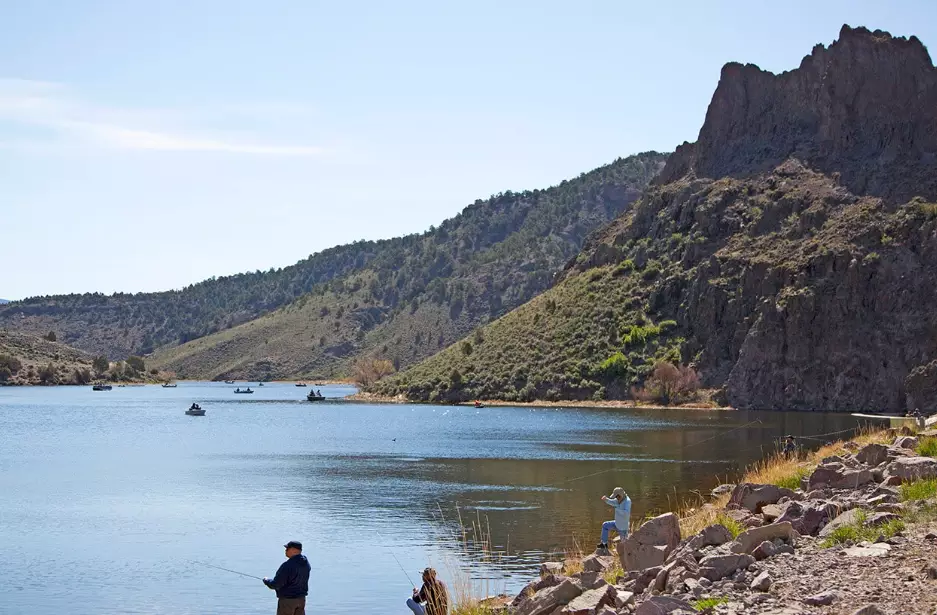
I made the mistake once of arriving after dark. The roads aren't lit, and cell service drops about 20 miles out. Plan to arrive during daylight hours to avoid getting lost.
Top Hiking Trails in Spring Valley: From Easy Walks to Challenges
Hiking is the main draw here, and the trails cater to all levels. I've hiked every one multiple times, and here are my personal favorites, ranked by difficulty.
Valley Loop Trail (Easy – 2 miles round trip)
This is the perfect introduction to the park. The trail starts near the main parking area and loops through a shallow valley filled with wildflowers in spring. It's mostly flat, with a gentle 200-foot elevation gain. What most guides don't tell you: the best views are about halfway in, where a hidden rock outcrop offers a panoramic vista of the entire valley. I've spotted jackrabbits and lizards here every time.
Ridge Crest Trail (Moderate – 4 miles round trip)
If you want a workout with rewards, this is it. The trail climbs steadily for about 1.5 miles to a ridge that overlooks the Spring Valley basin. The footing can be loose in spots—I slipped once on loose scree, so wear sturdy boots. At the top, you'll see ancient petroglyphs on the rocks if you look closely. They're not marked, which adds to the adventure. Bring plenty of water; there's no shade.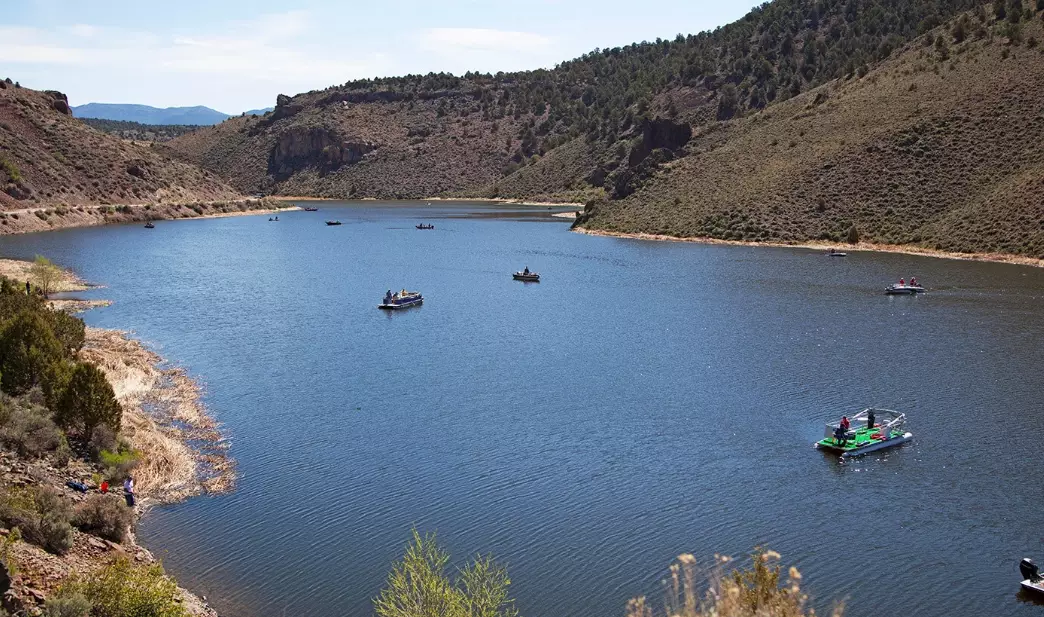
Canyon Descent Trail (Strenuous – 6 miles round trip)
This is for experienced hikers. The trail drops into a narrow canyon with steep walls, requiring some scrambling. I once guided a friend here, and we found a seasonal waterfall after a rare rain. The route isn't well-signed, so I recommend downloading a map from the Bureau of Land Management site before you go. The solitude is unmatched; on a weekday, you might have the whole canyon to yourself.
Trail Safety Note: Always check weather forecasts. Summer temperatures can soar above 100°F, making hiking dangerous after 10 AM. I prefer starting at dawn to beat the heat.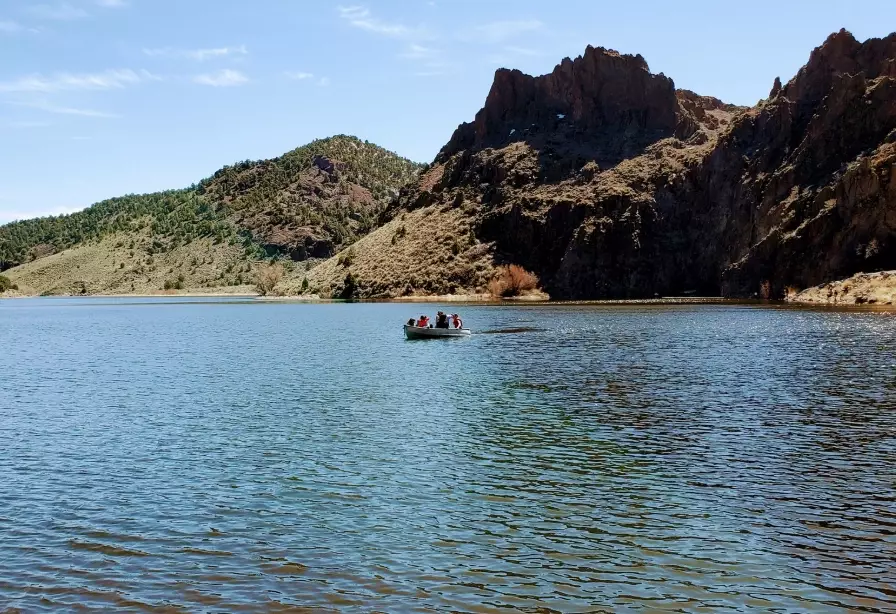
Camping at Spring Valley State Park: Sites, Fees & Tips
Camping here is primitive but rewarding. There are no RV hookups or flush toilets, just a few designated sites with fire rings and pit toilets. Here's what you need to know:
| Camping Option | Details |
|---|---|
| Designated Campsites | 5 sites available on a first-come, first-served basis; each site fits up to 8 people |
| Camping Fees | $10 per night per site; cash or check only, deposited in a self-service box |
| Amenities | Fire rings, picnic tables, pit toilets; no running water or electricity |
| Reservations | Not accepted; arrive early on weekends to secure a spot |
| Best Campsite | Site #3 – offers partial shade and the best sunrise views |
I've camped here in both spring and fall. Spring brings cooler nights and wildflowers, but fall is my favorite—the crowds thin out, and the temperatures are mild. One pro tip: bring your own water. The nearest reliable source is in Pioche, 15 miles away. I made the mistake of underestimating once and had to cut my trip short.
If primitive camping isn't your style, consider staying in Pioche at the Overland Hotel or one of the local motels. But trust me, waking up to the sound of coyotes howling in the distance is worth the rustic setup.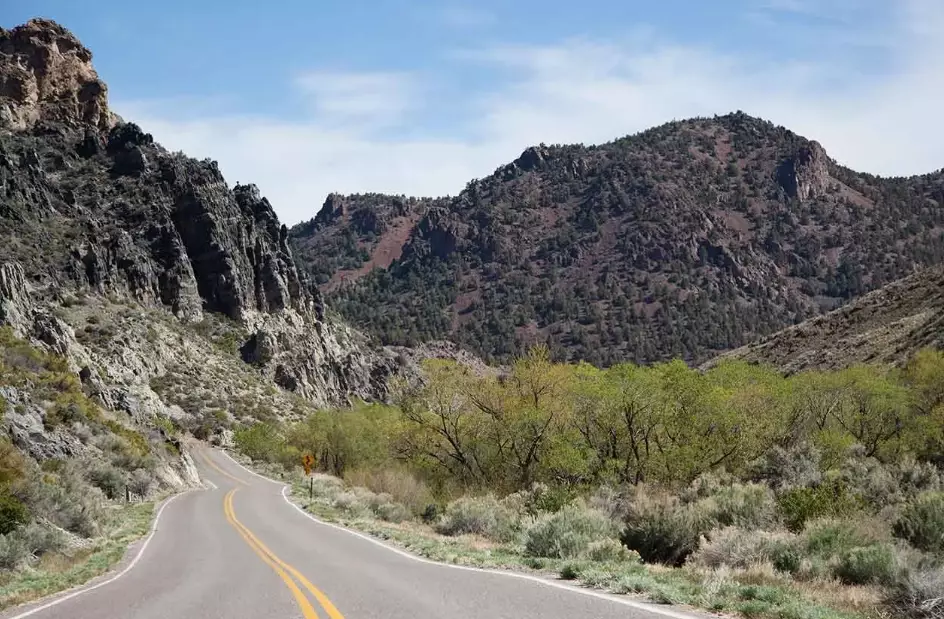
Essential Tips for Your Visit: Weather, Gear & Safety
Based on my visits, here's a quick list to ensure a smooth trip:
- Weather Preparedness: Nevada desert weather is unpredictable. Summers are hot (90-110°F), winters can dip below freezing. I always pack layers—a light jacket for mornings, sunscreen, and a wide-brimmed hat. Check the National Weather Service forecast for Lincoln County before heading out.
- Gear Essentials: Don't skimp on footwear. Trail runners are fine for easy hikes, but for anything beyond, wear hiking boots with ankle support. Bring a map and compass; cell service is nonexistent in most of the park. I also carry a satellite communicator for emergencies.
- Wildlife Etiquette: You might encounter snakes, especially in warmer months. Give them space and never approach. Store food securely to avoid attracting coyotes to your campsite.
- Leave No Trace: This park is pristine because visitors respect it. Pack out all trash, stay on designated trails to prevent erosion, and avoid making new fire rings.
One mistake I see newcomers make: they bring too much gear and end up struggling on trails. Keep it simple—water, snacks, first-aid kit, and a camera for those stunning vistas.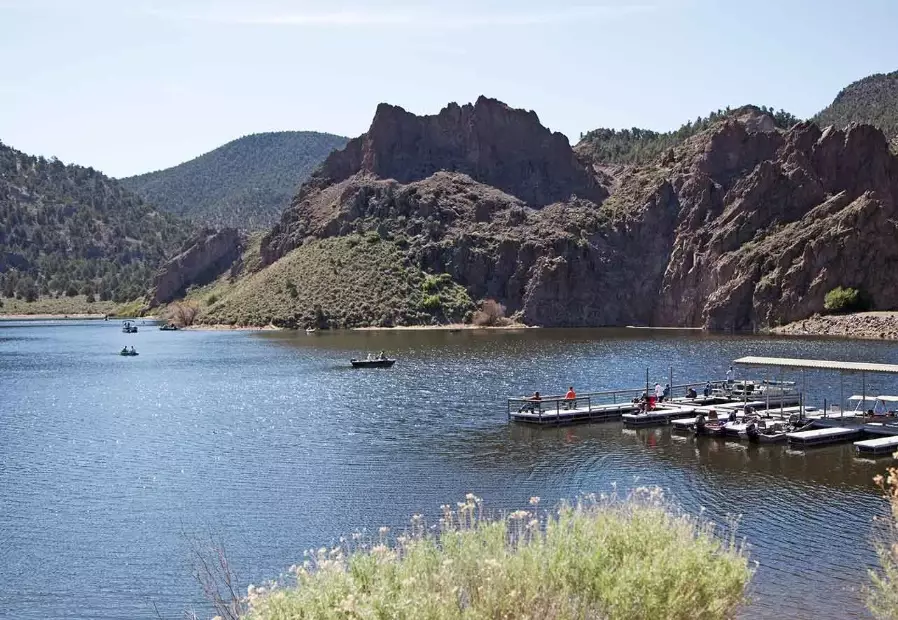
Frequently Asked Questions: Expert Answers
Spring Valley State Park isn't for everyone—it demands self-reliance and a love for raw nature. But if you're tired of curated outdoor experiences, this place delivers authenticity. I've been back a dozen times, and each visit feels like discovering Nevada all over again. Pack your bags, leave the crowds behind, and see for yourself why this hidden gem deserves more attention.
This guide is based on personal visits and fact-checked against reliable sources like the Nevada Division of State Parks and Bureau of Land Management data. Conditions may change, so always verify details before your trip.