You know that feeling when you stumble upon a place that feels like it was meant just for you? That was my first thought cresting the final ridge on the trail to Theodore Lake. The water wasn't just blue; it was a deep, glacial turquoise that seemed to pull all the quiet of the mountains into its surface. No gift shops, no paved paths, no crowds—just a perfect alpine bowl cradling this stunning lake. If you're searching for a genuine backcountry experience that rewards effort with sheer beauty, you've found your spot.
Your Quick Guide to Theodore Lake
Why Theodore Lake Should Be on Your List
Let's be honest. A lot of famous alpine lakes feel like a scenic highway rest stop by midday. Theodore Lake is different. Its relative obscurity and the commitment required to reach it act as a natural filter. You'll find solitude here, even on a sunny weekend. The landscape is raw and powerful—jagged peaks reflected in still water, wildflower meadows that explode in color by mid-summer, and the kind of starry nights that make you forget about your phone.
I've been back three times, in different seasons, and each visit revealed something new. In early July, the last stubborn snowfields melt into icy-cold streams perfect for filling your bottle. By late August, the huckleberry bushes lining the upper trail are heavy with fruit. It's a place that asks you to pay attention.
The Core Appeal: At a Glance
Solitude Factor: High. The 6-mile round trip hike ensures it's never overcrowded.
Scenery Payoff: Exceptional. Classic alpine panorama with minimal human intrusion.
Activity Hub: Primarily hiking, wilderness camping, and fishing for cutthroat trout.
Best For: Intermediate hikers, backpackers seeking a one-night getaway, anglers, and photographers.
Getting to the Theodore Lake Trailhead
This is where most online guides get vague, and where getting it wrong can cost you hours. The trailhead isn't signposted from any main highway. You'll be turning off onto Forest Service roads.
The precise starting point is the Iron Creek Trailhead, located deep within the national forest. Do not rely solely on your car's navigation app once you leave the town of Stanley. It will try to take you down roads that are closed or impassable for normal vehicles.
Here’s the route I follow every time, confirmed with the local ranger station:
- From Stanley, head north on Highway 21 for about 12 miles.
- Look for the signed turn for Forest Road #456 (Iron Creek Road). It's a right-hand turn just past a small bridge.
- Follow FR #456 for 8.3 miles. The road is graded gravel—fine for sedans if driven carefully, though high clearance is better. The last 2 miles get washboardy.
- The trailhead parking lot is on your left. It fits about 15 cars. There's a vault toilet and a large trail map signboard.
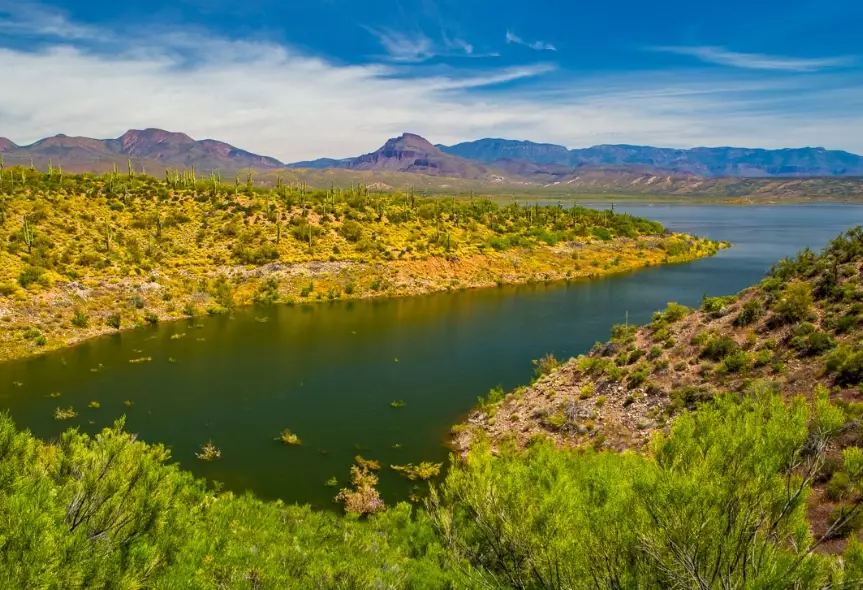
Pro Tip: Fill your gas tank in Stanley. There are no services anywhere near the trailhead. And download the area map on Google Maps or Gaia GPS before you lose service in town.
The Theodore Lake Hike: A Step-by-Step Breakdown
The hike to Theodore Lake is 3 miles one-way, with about 1,400 feet of elevation gain. It's rated as moderate, but that rating assumes you're acclimated to the altitude (the trailhead starts around 7,200 feet). I've seen plenty of fit sea-level folks struggle with the thin air.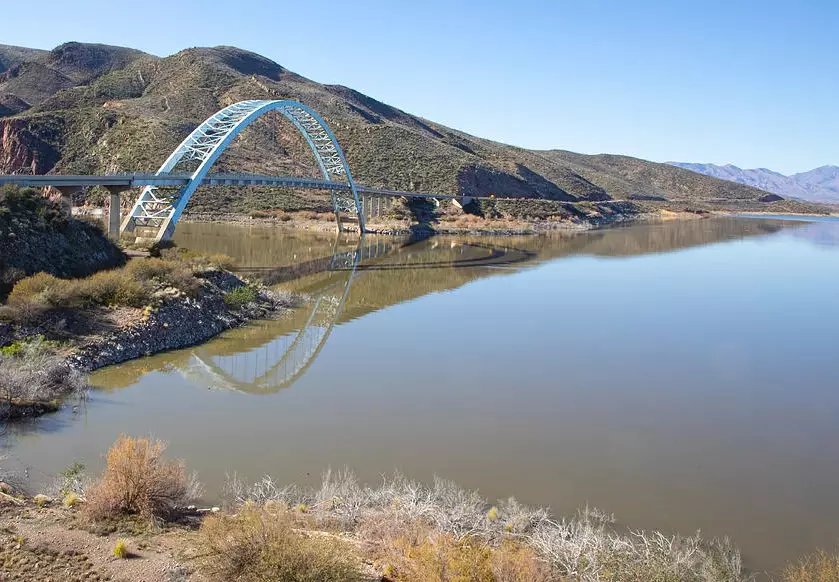
Segment by Segment: What to Expect
Mile 0-1 (The Warm-Up): The trail starts gently through a mixed forest of pine and fir, following Iron Creek. It's wide and smooth, a bit deceptive. You'll cross a sturdy wooden bridge at about 0.8 miles. This is the last guaranteed easy water source before the lake, so it's a good spot to filter a top-up if it's a hot day.
Mile 1-2 (The Climb): Here's where you earn your views. The trail leaves the creek and starts a series of steady, sometimes steep, switchbacks. The forest thins, offering your first glimpses of the surrounding ridges. Pace yourself. I always take a short break at the second switchback where a large boulder provides a perfect sitting spot.
Mile 2-3 (The Reward): The grade eases as you enter the upper basin. You'll hike through meadows (wildflower heaven in July) and cross a few small, rocky streams. Then, you round a final corner, and the entire lake basin opens up. The trail leads you right to the lake's outlet on the east shore.
The whole hike took me just under 2 hours up at a steady pace with a full backpack, and about 1.5 hours back down.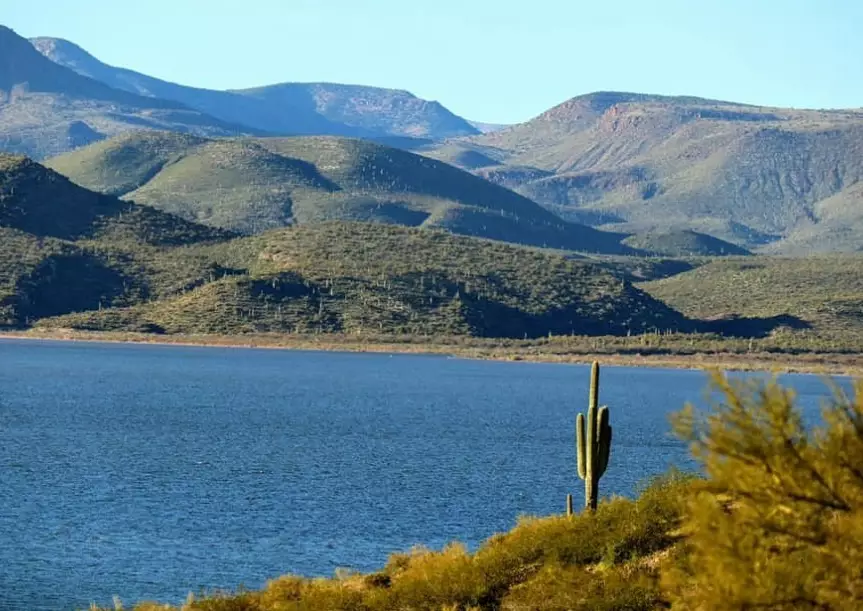
Camping and Fishing at Theodore Lake
Finding Your Perfect Campsite
There are no designated sites, which is part of the charm but requires strict Leave No Trace ethics. The best spots are scattered along the northern and western shores, about a 5-10 minute walk from the outlet. Look for established, durable surfaces—bare dirt or rock patches where others have clearly camped before. Do not create new sites in the meadows.
My favorite spot is a small, flat granite shelf on the northwest corner. It's slightly elevated, offers killer sunset views over the water, and is far enough from the trail to feel private. There's no fire ring—and campfires are generally prohibited above a certain elevation here to protect the fragile ecosystem. Bring a backpacking stove.
| Camping Consideration | Details & Recommendation |
|---|---|
| Water Source | The lake itself. Filter all water (a Sawyer Squeeze or similar is ideal). The inlet streams can be silty. |
| Bear Safety | This is active black bear country. A bear-resistant food canister is non-negotiable. Hang it 100+ yards from your tent. |
| Weather Preparedness | Afternoon thunderstorms are common July-August. Set up camp early and have rain gear accessible. |
| Permit Required? | As of my last check, no overnight permit is needed for this specific lake, but always verify with the Sawtooth National Forest office before you go, as rules can change. |
Fishing Theodore Lake
The lake holds a population of native Westslope Cutthroat Trout. They're not huge—most are in the 8- to 12-inch range—but they're beautiful, feisty, and perfect for a catch-and-release dinner of the soul. I've had the best luck in the early morning or late evening along the drop-offs near the inlet on the south end.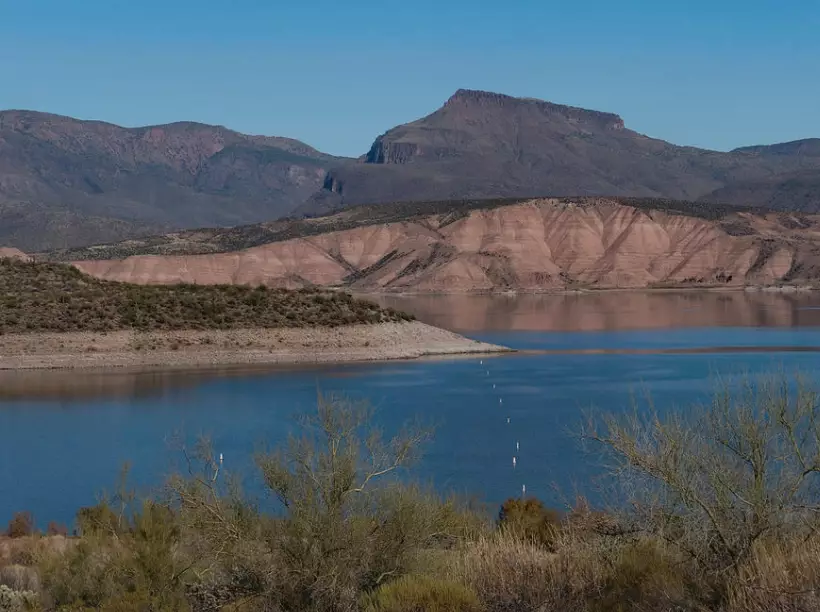
Fly fishermen: Try small dry flies like an Elk Hair Caddis or Parachute Adams when you see rises. Spinfishers: A tiny gold spinner or a small spoon will get attention. Remember, you need a valid Idaho fishing license. The regulations here are generally catch-and-release with artificial flies and lures only; check the current Idaho Fish and Game booklet for the specific zone.
Planning Your Theodore Lake Trip: The Essential Checklist
Forgetting something here isn't an inconvenience; it's a potential safety issue. Beyond the standard hiking gear, here are the items I never head to Theodore Lake without:
- Navigation: Physical map & compass (and the knowledge to use them), plus a GPS app with downloaded maps.
- Water & Filtration: Capacity for at least 2 liters per person, plus a reliable filter or purification tablets.
- Layers: The temperature swing is drastic. A moisture-wicking base layer, insulating mid-layer (fleece/puffy), and a waterproof/windproof shell are mandatory.
- Footwear: Broken-in hiking boots with good ankle support. The trail is rocky in sections.
- Bear Canister: Not a bag, not an Ursack—a hard-sided canister. Rent one in Stanley if you don't own one.
- Headlamp: With extra batteries. You do not want to be caught on that trail after dark.
- First-Aid Kit: Include blister treatment (moleskin is a lifesaver), pain relievers, and any personal meds.
- Emergency Communication: Cell service is zero. A satellite messenger (like a Garmin inReach) is a wise investment for any solo or small-group backcountry travel.
The best time to visit is mid-July through September. Early July risks significant snow on the trail. By mid-October, nighttime temperatures can plummet below freezing.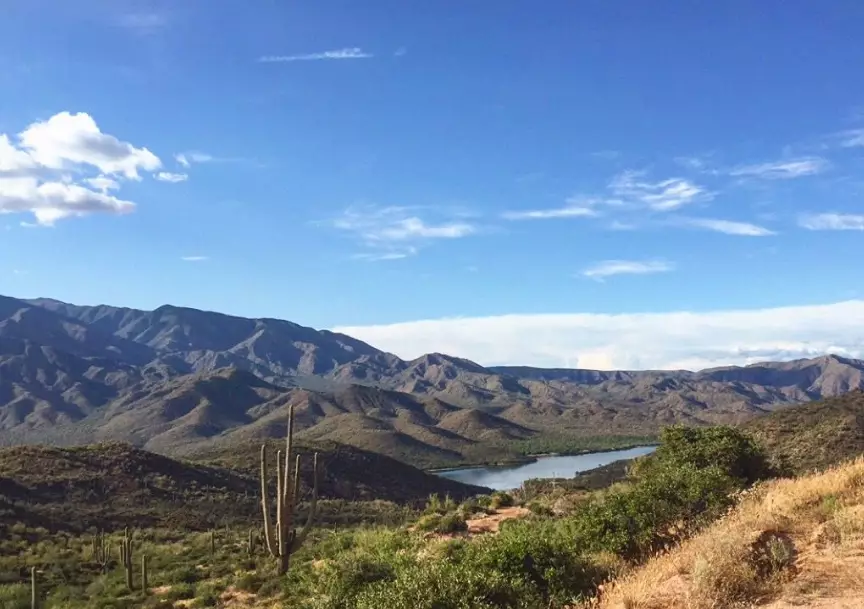
Common Questions Answered (The Stuff You Really Need to Know)
Theodore Lake isn't a casual pit stop. It's a destination that demands preparation and respect. But in return, it offers something increasingly rare: a true sense of wilderness, the kind of quiet that settles deep in your bones, and a landscape so starkly beautiful it feels like a secret you're privileged to share. Pack carefully, hike thoughtfully, and leave it exactly as you found it—or better.
A final note: Conditions change. Trailhead access, fire regulations, and permit requirements can be updated. I make it a habit to call the Sawtooth National Forest Ranger District in Stanley the week before any trip for the latest info. It's five minutes that can save a whole journey.