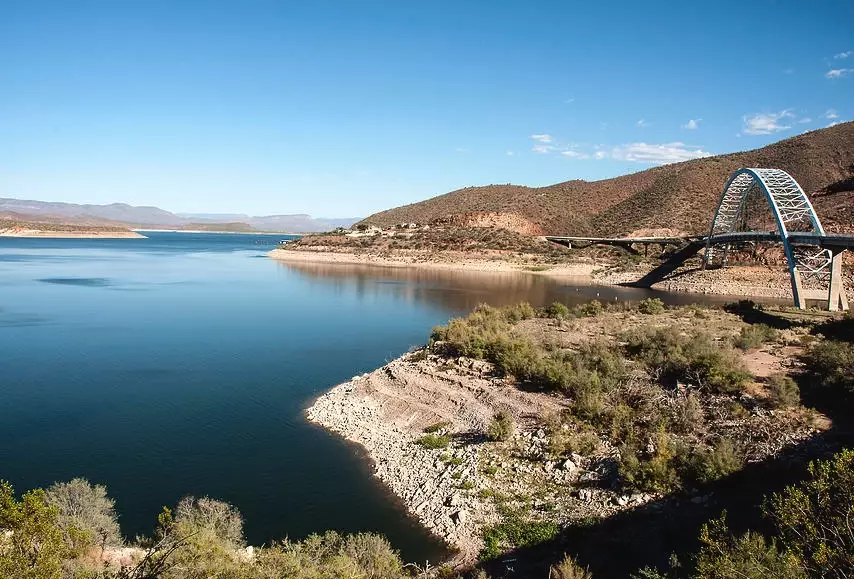
Most people picture Oregon as endless evergreens and rainy coasts. Tell them you're heading to the Oregon desert and you'll get a blank stare. That's the point. Eastern Oregon's high desert is a vast, misunderstood region of stark beauty, profound silence, and landscapes that feel transplanted from another planet. I've spent weeks out there, my tires crunching on volcanic rock, my camp set up on dry lake beds that stretch to the horizon. This isn't a curated national park experience; it's raw, self-sufficient adventure travel at its finest. Let's strip away the myths and build the practical, detailed guide I wish I'd had before my first trip.
Your Oregon Desert Roadmap
What Exactly Is the Oregon Desert?
Forget Sahara-like dunes. The Oregon desert, more accurately called the "high desert," is a cold desert ecosystem east of the Cascade Mountains. It's part of the larger Great Basin. The rain shadow from the mountains creates an arid landscape, but you're still at elevations between 4,000 and 5,000 feet. That means blazing hot summer days can give way to surprisingly chilly nights. The scenery is a mix of sagebrush steppe, dramatic fault-block mountains, ancient volcanic fields, and surreal, perfectly flat dry lake beds called playas.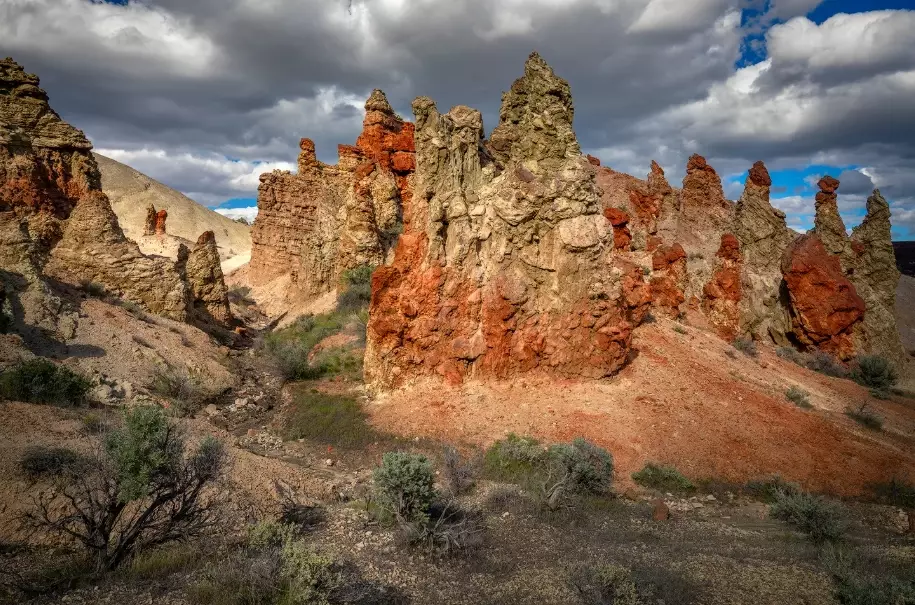
The magic here is in the scale and the light. Distances are deceptive. A mountain that looks an hour away might take three to reach. At dawn and dusk, the low sun paints the hills in impossible shades of gold and purple. The silence is absolute, broken only by the wind or the call of a coyote. This is a place for slowing down, for self-reliance, and for appreciating geology laid bare.
Key Region: We're primarily talking about the area south of Burns and east of Highway 395, encompassing the Alvord Desert, Steens Mountain, and the Harney Basin. Towns like Frenchglen and Fields are your tiny, essential outposts.
Top Oregon Desert Destinations You Can't Miss
Don't just drive through. Stop and immerse yourself in these spots. I've listed the critical logistics because out here, details like road conditions are not suggestions—they're mandates.
1. The Alvord Desert
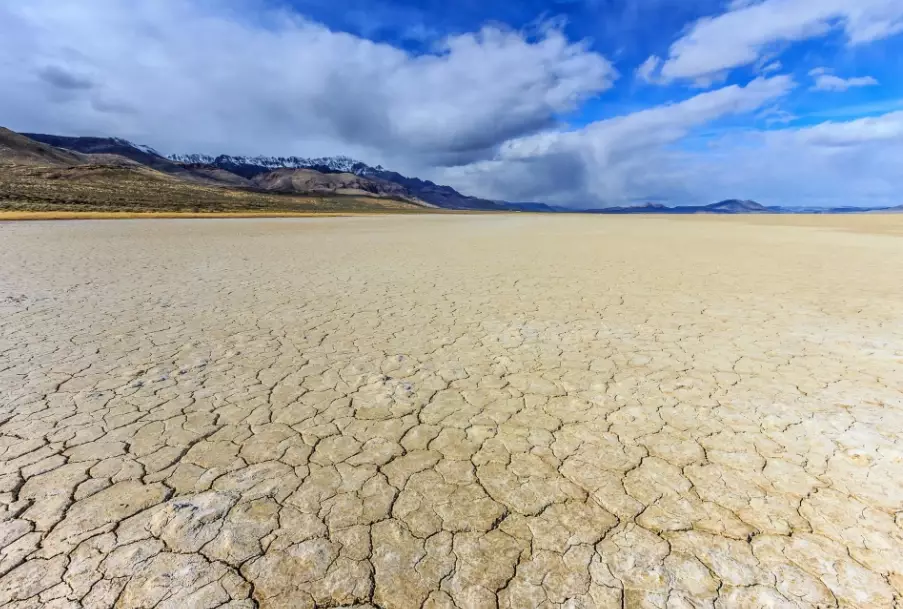
This is the poster child. A 12-mile by 7-mile dry lake bed (playa) at the foot of the massive Steens Mountain escarpment. Driving onto the hard-packed, white clay surface feels like landing on the moon. You can literally drive in any direction.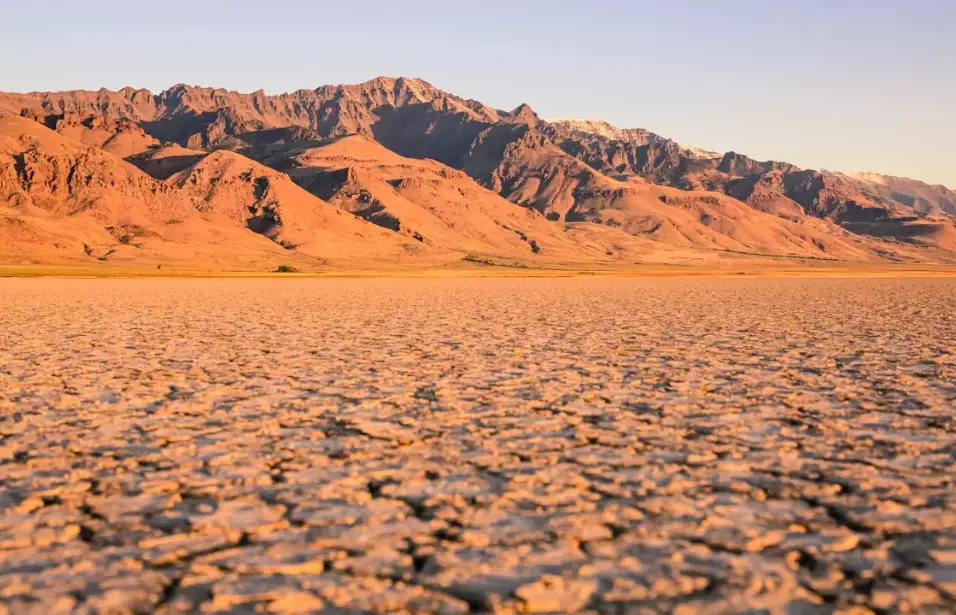
- Address/Location: Southeast Oregon, roughly 70 miles south of Burns. Navigate to Fields, OR, then take Fields-Denio Road east.
- Admission & Hours: Completely free and accessible 24/7, year-round. However, access is entirely dependent on conditions.
- Critical Travel Tip: The playa is only driveable when bone dry. After rain or snowmelt, it turns into a treacherous, tire-sucking clay bog. I've seen trucks buried to their axles. Check with the Bureau of Land Management (BLM) Burns District office for current conditions. The gravel roads leading in are rough; high-clearance is recommended, and a spare tire is non-negotiable.
- My Experience: Camping on the playa under a blanket of stars is unforgettable. But nobody mentions the mosquitoes at dawn and dusk near the hot springs. They're brutal. Pack serious repellent.
2. Alvord Hot Springs
A rustic, clothing-optional soak right on the edge of the desert. It's a series of concrete tubs filled with naturally hot water, with a view straight out across the playa to Steens.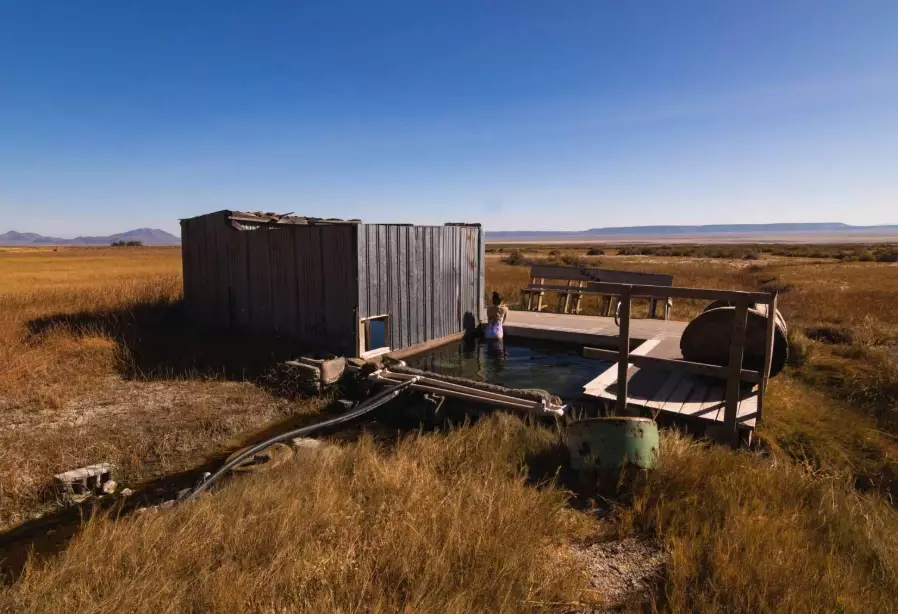
- Address: On the western edge of the Alvord Desert, off East Steens Road.
- Cost & Hours: A small cash fee (usually $5-10 per person). It's open daylight hours, but soaking at sunset is the goal.
- What to Know: It's primitive. No changing rooms, just maybe a wooden fence for privacy. The water is hot, often over 105°F. Bring your own towel and water to drink.
3. The Painted Hills
Part of the John Day Fossil Beds, this is a more accessible desert wonder. Layers of claystone hills in stripes of red, tan, orange, and black tell a 30-million-year geological story.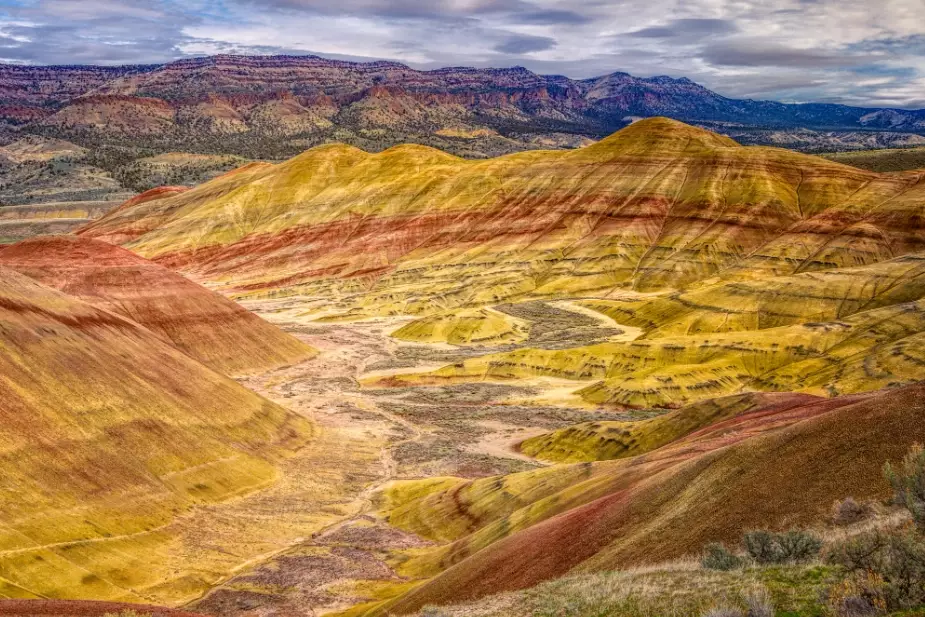
- Address: Near Mitchell, OR. Well-signed from Highway 26.
- Admission & Hours: No entrance fee. Daylight hours. The picnic area has basic facilities.
- Visitor Tip: The colors are most vibrant in the late afternoon light or after a rain. Stay on marked trails; the hills are extremely fragile.
4. Malheur National Wildlife Refuge
An oasis in the desert. This massive refuge is a crucial stopover for millions of migratory birds. Even if you're not a birder, the contrast between the wetlands and the surrounding arid land is stunning.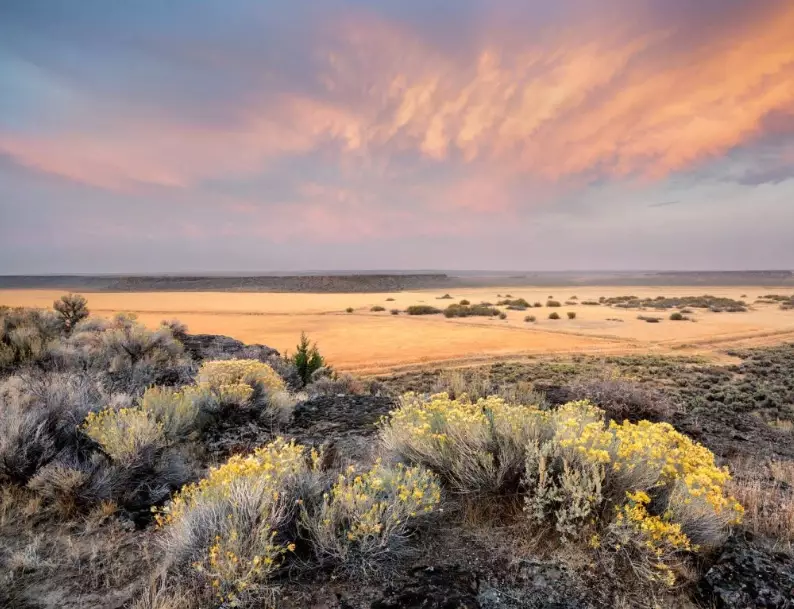
- Headquarters Address: 36391 Sodhouse Lane, Princeton, OR.
- Admission & Hours: Free. The visitor center has specific hours, but the auto tour routes are open dawn to dusk.
- Best Time to Visit: Spring (March-May) for peak bird migration. In fall, you'll see fewer birds but amazing autumn colors in the riparian areas.
| Destination | Key Feature | Best For | Vehicle Needed |
|---|---|---|---|
| Alvord Desert | Vast white playa, epic stargazing | Solitude, photography, unique camping | High-clearance, 4WD recommended |
| Alvord Hot Springs | Natural rustic soak with desert views | Relaxation, sunset views | Any (rough road access) |
| Painted Hills | Colorful striped hills, easy trails | Families, easy access, geology | Standard passenger car |
| Malheur Refuge | Wetlands & wildlife in desert setting | Birdwatching, scenic drives | Standard passenger car |
How to Plan Your Oregon Desert Road Trip
A random drive will leave you frustrated. This landscape demands a plan. Here’s a sample 3-day loop that hits the highlights, assuming you're starting from Bend (a common gateway).
Day 1: Bend to the Alvord Desert
This is a long haul. Take Highway 20 east to Burns (about 2 hours). Fuel up and get last-minute supplies in Burns. Then head south on Highway 205 through Frenchglen. Stop at the historic Frenchglen Hotel (they sometimes have pie). Continue south on the East Steens Road—this is a spectacular, winding gravel road up the shoulder of Steens Mountain. Descend to the Alvord Desert. Camp on the playa (dispersed, leave-no-trace) or at a designated site like Mann Lake. Drive time: 5-6 hours total.
Day 2: Alvord Exploration
Morning: Explore the playa (if dry), visit the hot springs. Consider the hike to Pike Creek Canyon for a hidden waterfall. Afternoon: Drive north on Fields-Denio Road to the tiny town of Fields for a famous milkshake and burger at Fields Station. It's an institution. Then head west toward Diamond and the Malheur Refuge. Camp near the refuge or find lodging in Burns.
Day 3: Malheur & Return
Spend the morning on the auto tour route at Malheur. Visit the historic Pete French Round Barn. Then take Highway 78 west back to Burns, and Highway 20 back to Bend. Alternatively, for a longer trip, swing north from Burns to the John Day Fossil Beds (Painted Hills unit).
The Gas Station Rule: Never, ever let your tank fall below half. Distances between services are enormous. Fields Station has gas, but prices are high and hours can be limited. Fill up in Burns, John Day, or Bend.
Essential High Desert Travel Tips & Safety
This is where most generic guides fail. They don't stress the real challenges.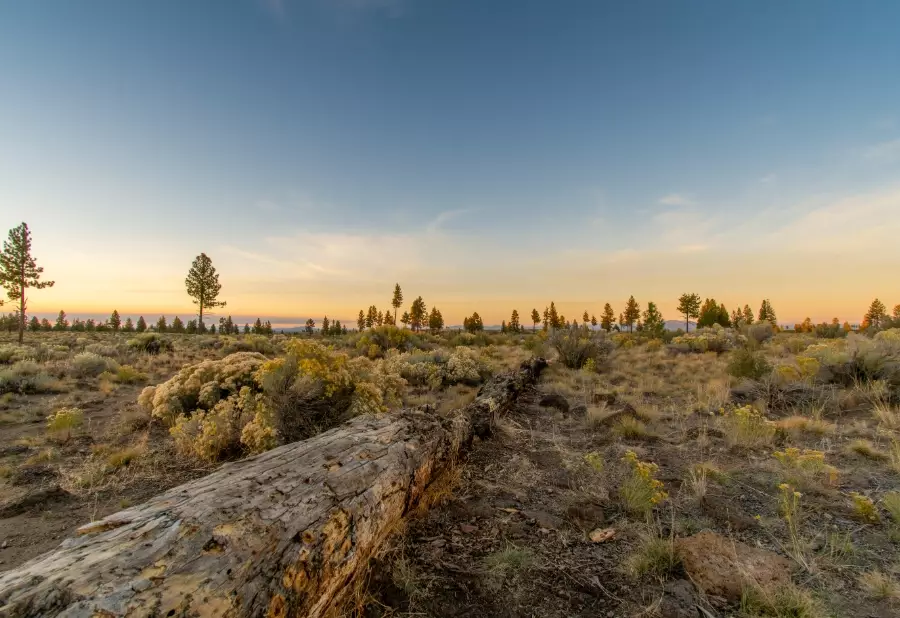
- Water is Everything: Carry at least one gallon per person, per day. More in summer. You cannot rely on finding water sources. I carry a 7-gallon jug in my vehicle, plus bottled water.
- Communications Blackout: Assume you will have zero cell service for 90% of your trip. Download offline Google Maps, tell someone your detailed itinerary and expected return time. A satellite messenger (like a Garmin inReach) is the gold standard for safety.
- Road Realities: Gravel roads are the norm. They create fine, talcum-powder dust that coats everything and can clog air filters. Drive slowly with your lights on. Wash your car (especially the undercarriage) soon after your trip to prevent corrosion.
- Leave No Trace, Intensely: Pack out all trash, including toilet paper. Human waste should be buried in a 6-8 inch cathole at least 200 feet from water. The desert ecosystem is fragile and recovers slowly.
- Weather Whiplash: Summer days exceed 100°F. Nights can drop into the 40s. Spring and fall are ideal, but snow can close high-elevation roads (like Steens) as early as October or as late as June. Always check road conditions with the BLM or Oregon DOT.
Oregon Desert Travel: Your Questions Answered
The Oregon desert doesn't cater to tourists. It doesn't promise comfort. It offers something better: authenticity, scale, and a profound sense of space. It rewards the prepared traveler with moments of pure, unadulterated wonder—a sunrise over the playa, a soak under a starry sky, the sight of a thousand birds lifting off a silent marsh. Go with respect, go with preparation, and you'll discover a side of Oregon most never know exists.