Standing at the base of Vernal Fall, feeling the spray from 317 feet of crashing water soak through my supposedly waterproof jacket, I realized most hiking guides miss the point. They talk about distance and elevation gain, but they don't prepare you for the visceral, slightly intimidating geography of the place—the slick granite stairs carved by a million boots, the roar that fills your chest, the way the light catches the mist just so to create a rainbow you can almost walk through. If you're looking for a dry list of stats, you can find that anywhere. This guide is about what it's actually like to hike to Vernal Falls, the mistakes I've seen people make (and made myself), and how to have a safe, unforgettable experience on one of Yosemite's most iconic trails.
Quick Navigation: What's in This Guide
Where Vernal Falls Is & The Geology That Built It
Vernal Fall isn't a random waterfall. Its location and power are a direct result of Yosemite's glacial history. You'll find it in Yosemite Valley, on the Merced River. The hike starts from the Happy Isles trailhead (that's your official starting point for directions). The key thing to understand is the geology under your feet. The entire trail, especially the famous steep section, is on polished granite. This isn't dirt or gravel. It's the exposed bedrock of the Sierra Nevada, scoured smooth by ancient glaciers. When wet from the waterfall's mist, it becomes incredibly slippery—a fact that surprises many first-timers.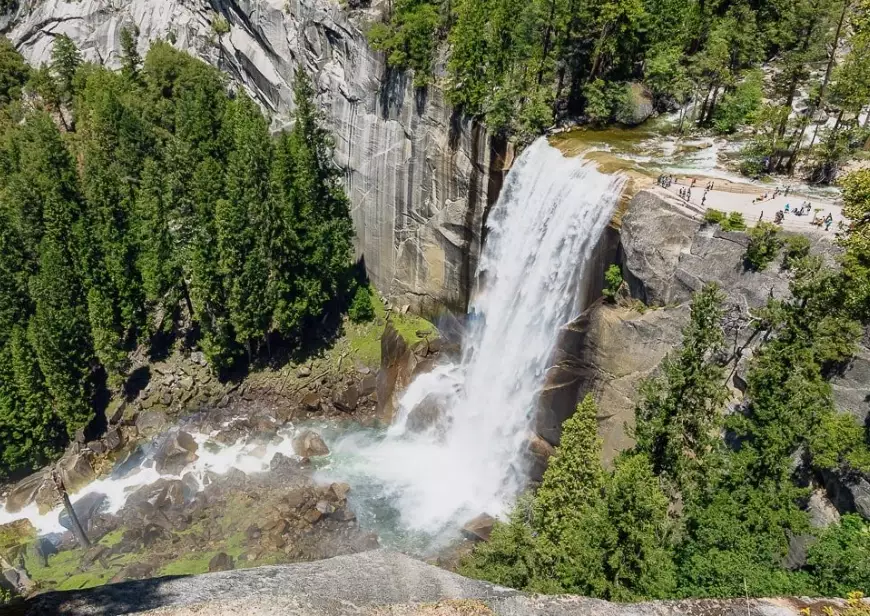
Vernal Falls At a Glance
Location: Yosemite Valley, Yosemite National Park, California. Trailhead is Happy Isles (Shuttle Stop #16).
Waterfall Height: 317 feet (97 meters).
Geology: Granite bedrock, carved by glacial and river erosion.
River Source: The Merced River, fed by Sierra Nevada snowmelt.
Park Entry: Standard Yosemite National Park entrance fee required. No separate ticket for the hike.
Operational Hours: The trail is accessible 24/7, but hiking outside daylight hours is strongly discouraged and can be dangerous.
The waterfall itself is a "horsetail" type, where the water maintains contact with the rock face most of the way down. This constant contact is what creates the sustained, drenching mist on the Mist Trail. In spring and early summer, the volume is staggering. By late summer, it narrows but remains beautiful. I've heard people call it "just a staircase hike," but that undersells it. You're walking on a glacial valley wall, next to a river that's been cutting this path for millennia.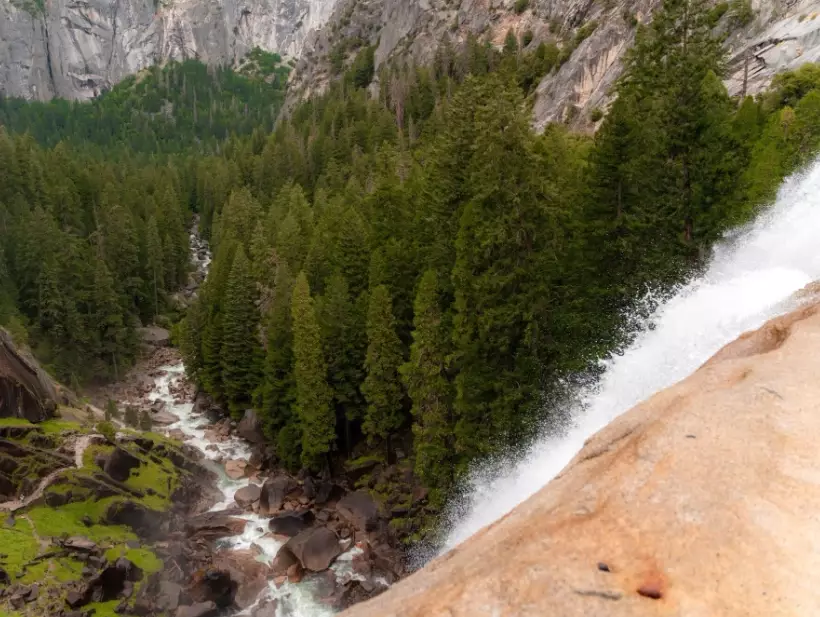
The Mist Trail Hike: A Brutally Honest, Stage-by-Stage Breakdown
Let's walk the trail. Not in vague terms, but with the details you'd get from a friend who just did it.
Stage 1: Happy Isles to the Footbridge (The Warm-Up)
You leave from Happy Isles (elevation ~4,000 ft). The path is paved and wide here, following the Merced River. It's a gentle incline. You'll reach the Vernal Fall Footbridge in about 0.8 miles. This is the first major landmark and your last easy chance for a bathroom (there are restrooms here). From the bridge, you get a good, straight-on view of the entire waterfall. Most people take photos here and think, "That doesn't look too far." It's a trap. The real climb starts now.
Stage 2: Footbridge to the Top of the Granite Stairs (The "Mist" Zone)
This is the heart of the Vernal Falls geography experience. The paved path ends, and the granite staircase begins. The sign says it's 0.3 miles to the top. It feels like three. The stairs are uneven, often wet, and the mist from the falls is constant in peak season. You will get wet. Not damp, but soaked. The roar is deafening. On a busy day, it's a slow, single-file procession. My advice? Don't rush this section. The rock is slick. Use the handrail whenever it's available. About halfway up, there's a small viewing area off to the right—it's less crowded and offers a stunning side-angle of the falls pounding into the Emerald Pool below.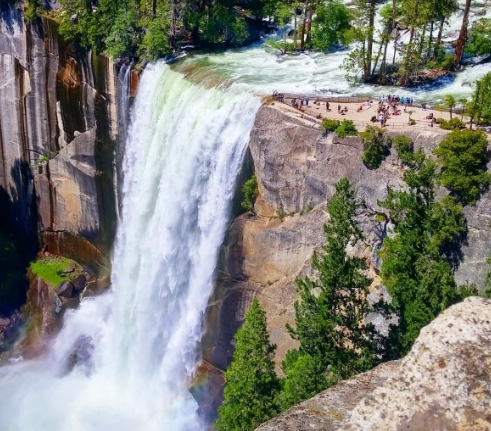
Stage 3: The Top & The Emerald Pool
Reaching the top is a relief. You emerge onto a flat, rocky area right at the crest of Vernal Fall. The view looking down the gorge you just climbed is breathtaking. The river flows calmly over a granite lip before plunging over the edge. This is the famous "Silver Apron" leading into the Emerald Pool. Here's the critical safety warning everyone must heed: People are tempted to wade or swim in the Emerald Pool. Do not do this. The current near the waterfall's edge is deceptively strong and has swept people over the falls. The park service has signs for a reason. Enjoy the view from a safe distance.
| Trail Section | Distance (One Way) | Elevation Gain | Estimated Time | Key Feature |
|---|---|---|---|---|
| Happy Isles to Footbridge | 0.8 mi (1.3 km) | ~400 ft (122 m) | 25-40 mins | First full view, restrooms |
| Footbridge to Top of Falls | 0.5 mi (0.8 km) | ~1,000 ft (305 m) | 45-90 mins | Granite stairs, heavy mist |
| Round Trip Total | ~2.6 mi (4.2 km) | ~1,400 ft (427 m) | 2.5 - 4.5 hours | Includes viewing time |
Critical Safety Tips for the Slippery Granite Stairs
This is the most important part of the guide. The Vernal Falls trail has real risks.
The #1 Mistake: Wearing flimsy shoes like flip-flops, sandals, or worn-out sneakers. I've seen it every single time. The granite, when wet, has the traction of a wet bar of soap. Proper footwear is non-negotiable.
Footwear: Hiking shoes or boots with aggressive tread are best. Trail runners can work if they have good grip. Nothing with a smooth sole.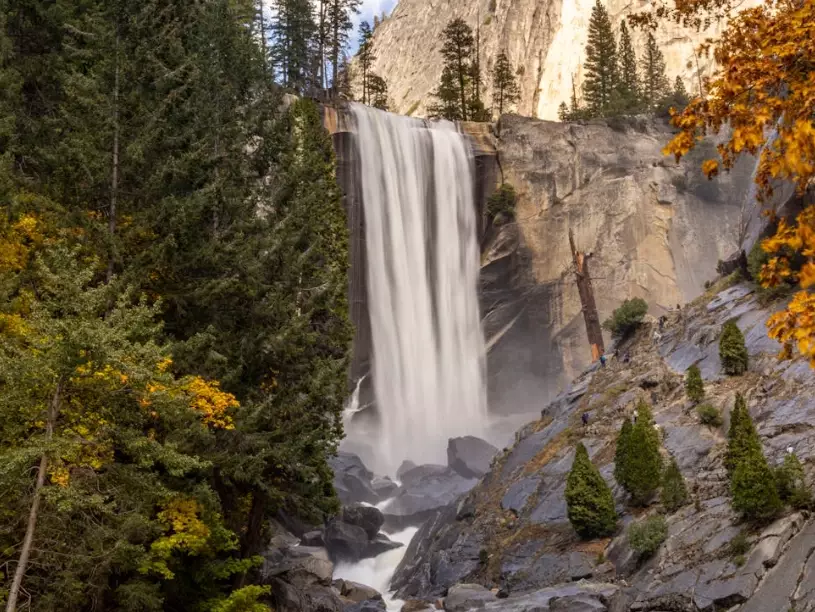
Pacing: Go slow on the stairs. Use the handrail. Let faster groups pass at wider spots. The climb is a strain on the knees—trekking poles can be a huge help for the descent.
Hydration & Fuel: There's no water on the trail. Carry at least 2 liters per person. Bring snacks like nuts, energy bars, or fruit. The climb burns more calories than you think.
Weather & Water: Never approach the river's edge above the falls or try to swim in the Emerald Pool. Rocks are slippery, currents are strong. Stay on designated trails and viewing areas.
Turning Back: If you feel exhausted at the footbridge, consider turning back. The stairs are significantly harder. There's no shame in it.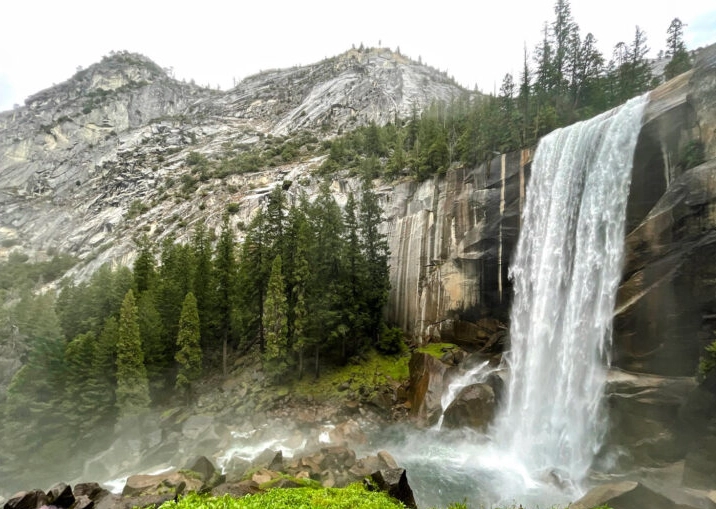
Best Time to Visit & Catching the Rainbow
The Vernal Falls geography changes dramatically with the seasons.
Peak Flow (May - July): This is when the waterfall is thunderous and the mist is heaviest. You will get drenched. The rainbow in the mist on sunny afternoons is almost guaranteed. It's also the most crowded time. Start your hike early in the morning (before 8 AM) to avoid the biggest crowds and have a more peaceful experience.
Late Summer/Fall (August - October): The flow diminishes, and the mist lessens. The stairs are drier and less slippery. Crowds thin out. The waterfall is still beautiful, just more slender. The hike feels more like a tough stair climb and less of a water adventure.
Winter & Spring (November - April): The trail is often closed due to ice and snow on the granite stairs, which becomes a treacherous ice slope. Always check the Yosemite National Park website for current trail conditions before you go.
Photography Tip: For the classic rainbow shot, you need sun hitting the mist. This typically happens between late morning and mid-afternoon. A wide-angle lens is great from the footbridge. For the stairs, a weather-sealed camera or a good waterproof case is wise. The mist gets everywhere.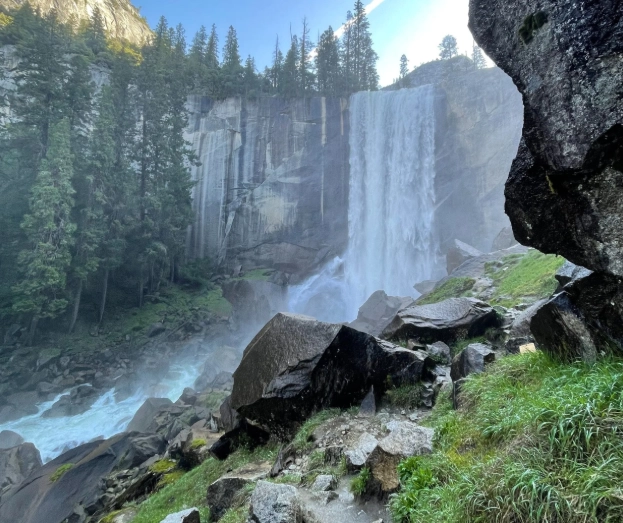
Planning & Logistics: Permits, Parking, and Beating the Crowds
No wilderness permit is needed for this day hike. You just need to pay the park entrance fee. The real challenge is parking.
Getting There: The closest parking is at Curry Village (formerly Half Dome Village) or in the day-use parking lots east of Curry Village. These fill up incredibly fast, often by 9 AM. My strong recommendation: Use the free Yosemite Valley shuttle system. Park your car at the Yosemite Village or Yosemite Falls parking areas (which have more spaces) and take the shuttle to Stop #16 (Happy Isles). It's less stressful.
What to Pack:
- Sturdy hiking shoes
- Rain jacket or poncho (for the mist)
- Quick-dry clothing (cotton will stay wet and make you cold)
- 2+ liters of water per person
- High-energy snacks and lunch
- Sunscreen and a hat (above the mist line, it's sunny)
- A small microfiber towel (to dry your hands/face)
- A plastic bag for your wet gear or to protect your phone/camera
Your Vernal Falls Hike Questions Answered
The Vernal Falls hike is more than a checkbox on a Yosemite itinerary. It's a physical challenge and a sensory immersion into the raw power of the park's geography. Respect the trail, prepare properly, and you'll earn one of the most rewarding views in the Sierra Nevada. Just remember to look up from your feet every now and then—the spectacle is worth every step.