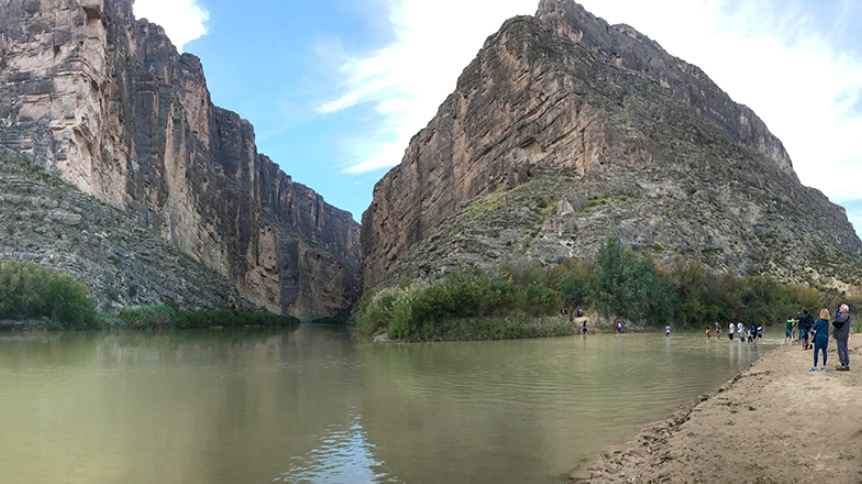
I stood at the edge of the Rio Grande, staring up at the 1,500-foot-tall limestone walls of Santa Elena Canyon. The scale is impossible to grasp from photos. The river, a lazy greenish-brown that day, didn't look too intimidating. But the silence—that's what hit me first. It's a deep, resonant quiet, broken only by the water and the occasional call of a canyon wren. This isn't just a hike; it's an immersion into one of the most dramatic landscapes in Big Bend National Park. After multiple visits in different seasons, I've learned a few things most first-timers miss, and I'm here to share the real, practical details you need to plan your trip, not just the postcard version.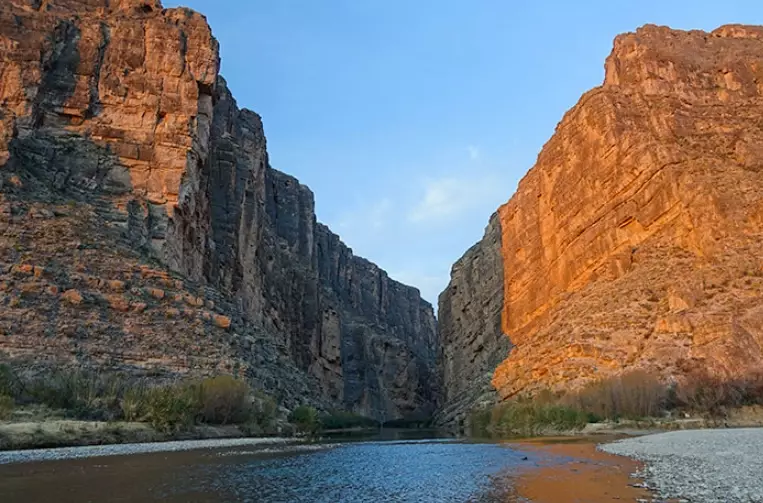
What's Inside This Guide
The Santa Elena Canyon Trail Experience: Step-by-Step
Let's walk through it. The official trail is only about 1.7 miles round trip, but the experience is packed into that short distance.
You start at the parking lot. First view: the iconic split between Mexico's Cerro Castellan on the left and the United States' cliffs on the right, with the river cutting through. It's stunning. The path descends towards the river. Now, here's the part blogs often gloss over: the Terlingua Creek crossing.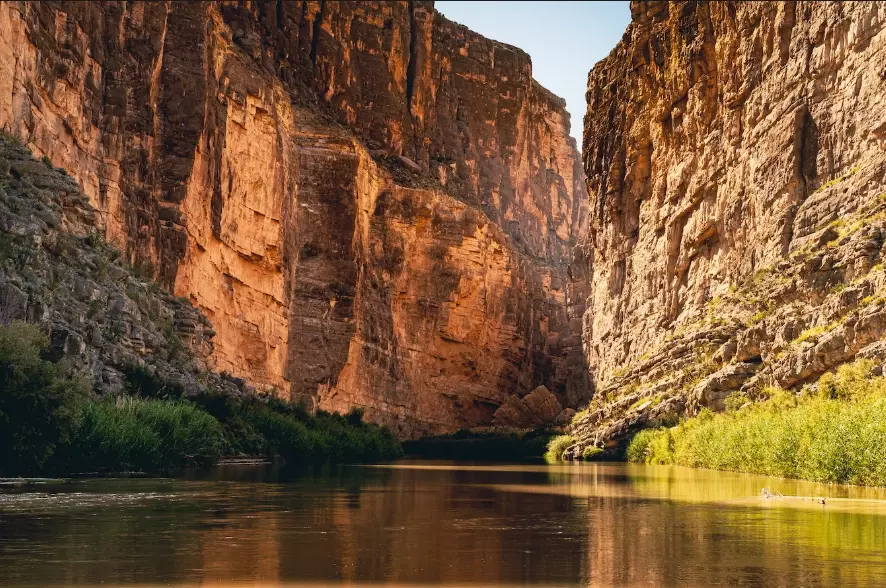
Once across (I wore old sneakers and carried my hiking boots), you reach the Rio Grande itself. The trail immediately climbs a series of stone and concrete steps carved into the cliffside. This is the only strenuous part—a short, steep ascent that gets your heart pumping. The reward is immediate.
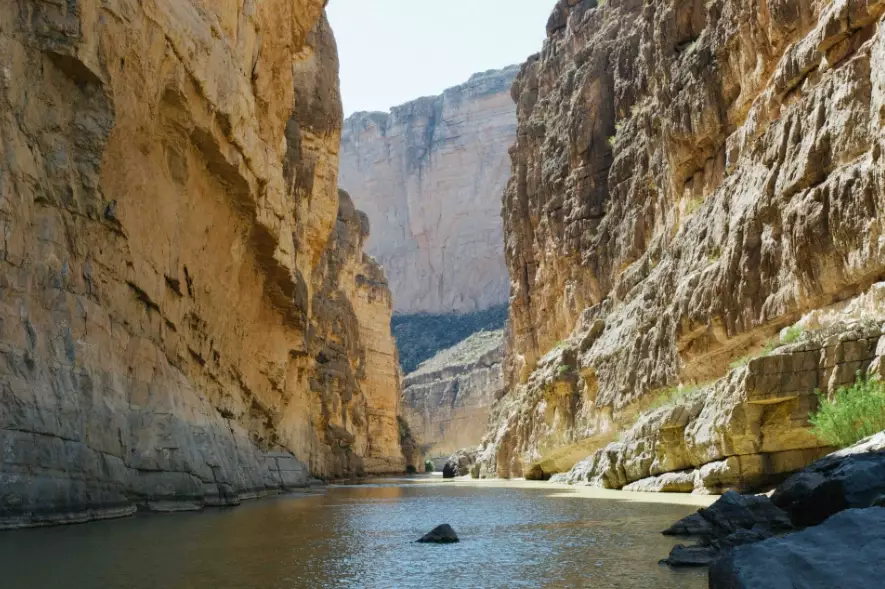
You're now on a narrow ledge, with the river directly below on your right and the soaring canyon wall on your left. The temperature drops noticeably. The light changes, filtering down in narrow shafts. The trail winds back into the canyon as far as it can go before the river meets the wall. You'll find a small gravel beach. This is the turnaround point for most. Sit. Listen. Look for swallows darting along the cliffs. The scale makes you feel wonderfully small.
What Most Hikers Miss (And You Shouldn't)
Everyone looks up. Make sure you also look down at the river's edge. The power of water is etched into the polished limestone walls at river level, creating fascinating swirls and holes. Also, listen carefully after a quiet moment. You might hear the distant rumble of a rapid deeper in the canyon, a reminder that this is a living, working river.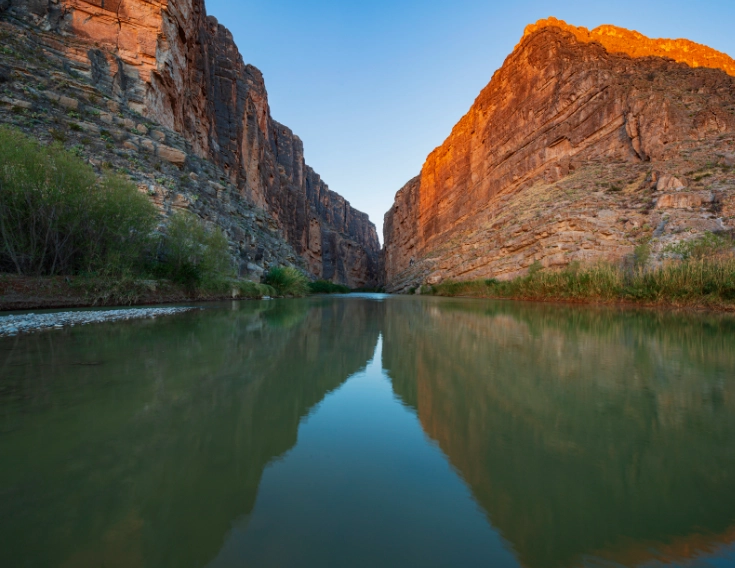
Complete Practical Information: Fees, Hours & Directions
You need the basics to plan. Here’s everything in one place.
| Information Type | Details for Santa Elena Canyon |
|---|---|
| Location & Address | End of the Ross Maxwell Scenic Drive, Big Bend National Park, TX. Use "Santa Elena Canyon Trailhead" in your GPS. The park's official address for mapping is Panther Junction Visitor Center, Big Bend National Park, TX 79834. |
| Park Entrance Fee | $30 per private vehicle (valid for 7 days). Annual Big Bend Pass is $55. America the Beautiful Interagency Pass is accepted. No separate fee for the canyon. |
| Operating Hours | The trail is accessible 24/7, as it's within the national park. Daylight hours are strongly recommended for safety and visibility. The nearby Castolon Visitor Center has seasonal hours. |
| Nearest Facilities | Restrooms are available at the trailhead parking lot. The last gas, food, and water are at the Castolon Store (seasonal) or, more reliably, at Panther Junction or the Basin before you drive the Ross Maxwell Scenic Drive. |
| Driving Directions | From Panther Junction, take the Ross Maxwell Scenic Drive south for about 30 miles (48 km). The road ends at the Santa Elena Canyon parking lot. Allow 45-60 minutes for this spectacular drive from Panther Junction. |
| Trail Length & Difficulty | Officially 1.7 miles round trip. Rated as Moderate due to the initial steep climb and potential river/creek crossing. Not wheelchair accessible. |
The drive is part of the adventure. Ross Maxwell Scenic Drive is arguably the best in the park, passing the Sotol Vista, Mule Ears viewpoint, and Tuff Canyon. Don't rush it. Budget at least half a day for the drive plus the hike.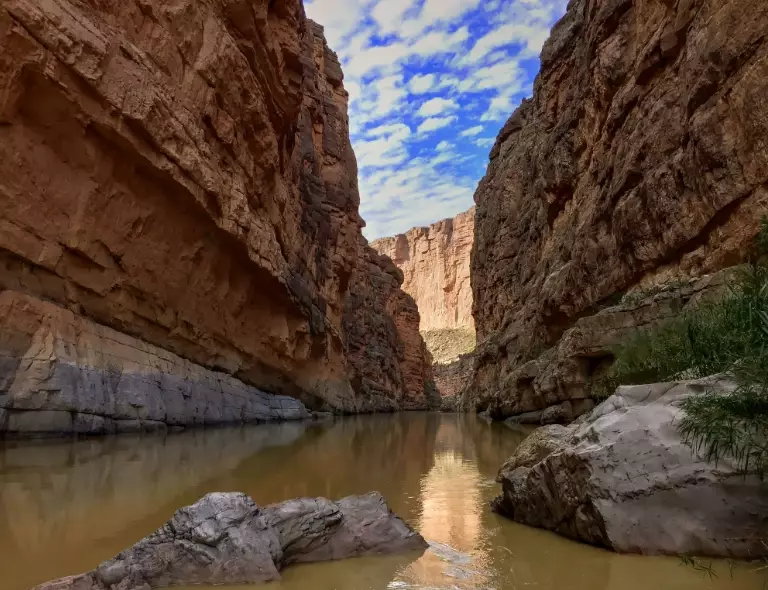
How to Hike the Santa Elena Canyon Trail Safely?
Big Bend is remote and rugged. A simple hike requires preparation. I've seen too many people start this trail at noon in July with a single 12-ounce plastic water bottle. Don't be that person.
What Should You Bring for the Santa Elena Canyon Hike?
Beyond water, your pack should include:
- Sturdy Footwear: Hiking boots or shoes with good grip. The rock can be slippery. Consider water shoes or sandals for the creek crossing if water is present.
- Sun Protection: A wide-brimmed hat, sunglasses, and sunscreen (SPF 50+). The sun is intense.
- Navigation & Communication: A physical map (cell service is nonexistent). A satellite messenger or PLB is excellent for emergency peace of mind.
- Snacks: High-energy food like nuts, jerky, or energy bars.
- Trekking Poles: Highly recommended for stability on the steep steps and if crossing a flowing creek.
River Crossing Safety: Never attempt to cross the Rio Grande itself to enter the canyon. The current can be swift and the depth unpredictable. The official trail uses the Terlingua Creek mouth. If the creek looks deep or fast-moving, turn back. Flash floods are a real danger—never enter a narrow canyon if rain is forecast upstream.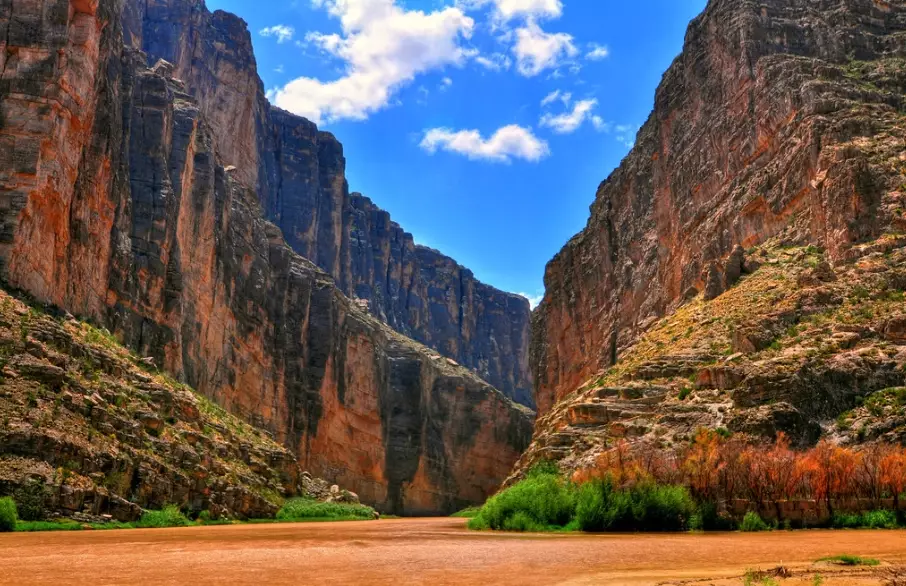
When is the Best Time to Visit Santa Elena Canyon?
This is critical for your experience.
Best Season (Overall): Late October through April. Temperatures are mild, often in the 60s and 70s Fahrenheit. This is prime hiking season in Big Bend.
For Avoiding Crowds: Aim for weekdays and start your hike early in the morning (just after sunrise) or late in the afternoon (2-3 hours before sunset). The parking lot fills up by mid-morning. The light for photography is also best during these golden hours.
Season to Avoid: Summer (June-August). Temperatures regularly exceed 100°F (38°C). Hiking is dangerous and genuinely unpleasant. If you must go in summer, you must start at dawn.
Spring (March-May) can be windy. Fall (September-November) is generally stable. Winter can have cold mornings but beautiful, crisp days. Always check the National Park Service website for Big Bend for current conditions and alerts.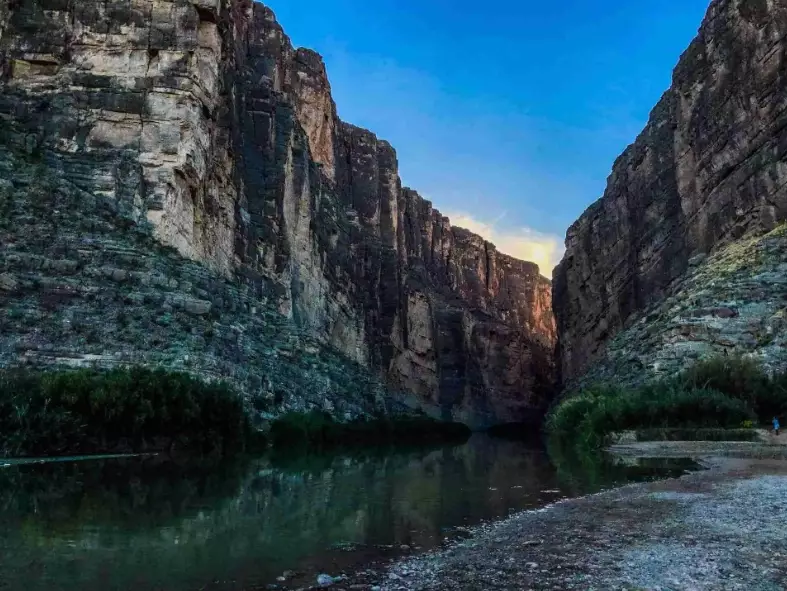
Santa Elena Canyon Photography Tips
You'll want photos. Here's how to get great ones.
The Classic Shot: From the trailhead looking into the canyon. Use a wide-angle lens. Shoot at sunrise for front-light on the cliffs, or at sunset for dramatic sidelight and long shadows.
Inside the Canyon: The light is low and contrasty. A lens with good low-light performance helps. Don't be afraid to boost your ISO. Look for details: the texture of the rock, the river's reflection, patterns in the sandstone.
Common Mistake: Trying to capture the whole scene with a phone or standard lens and ending up with a tiny slit of canyon. Embrace the scale. Include a person in the frame for perspective, or focus on the immense wall right beside you.
A polarizing filter can help manage reflections on the water and deepen the blue of the sky at the canyon's mouth.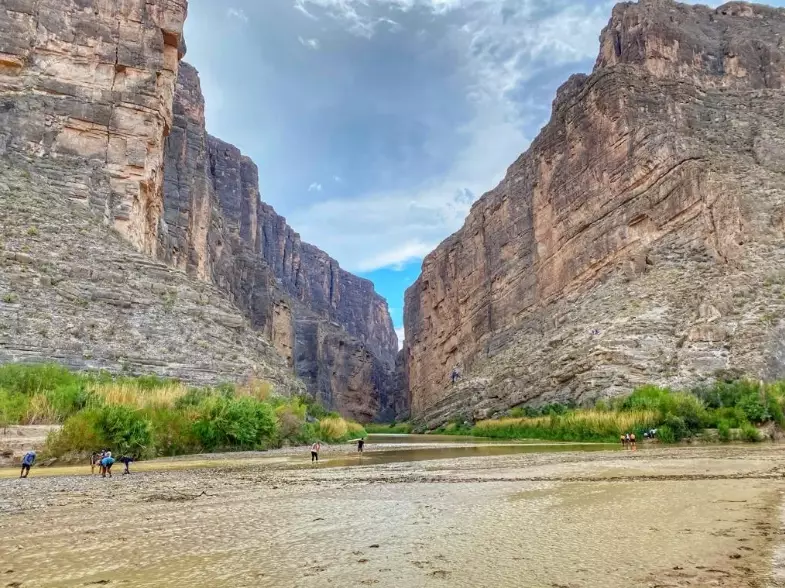
Your Santa Elena Canyon Questions Answered
 What is the best time of day to hike Santa Elena Canyon to avoid the heat and crowds?
 Standing in the cool silence of Santa Elena Canyon, watching the light play on billion-year-old rock, is a feeling that stays with you. It's a powerful reminder of nature's scale and artistry. With the right preparation—water, timing, and respect for the environment—your visit will be more than just a check on a list. It'll be the highlight of your Big Bend adventure. Now you're ready to go see it for yourself.