I almost drove right past it. Tucked into a neighborhood in Albuquerque's far northwest corner, the entrance to Piedras Marcadas Canyon doesn't shout for attention. There's no grand archway, no visitor center buzzing with crowds. Just a modest sign and a dirt path leading into the silence of the high desert. That first visit, years ago, changed how I see this city. Beyond the balloon fiesta and the Breaking Bad tours lies a network of ancient volcanic escarpments, and Piedras Marcadas—"The Canyon of Marked Stones"—holds one of the most accessible and profound collections of petroglyphs in the entire Southwest. It's not just a hike; it's a direct conversation with people who walked here centuries before us.
Your Quick Trail Guide
Planning Your Visit: The Essentials
Let's get the practical stuff out of the way first. Success here depends on a few simple details most generic blogs gloss over.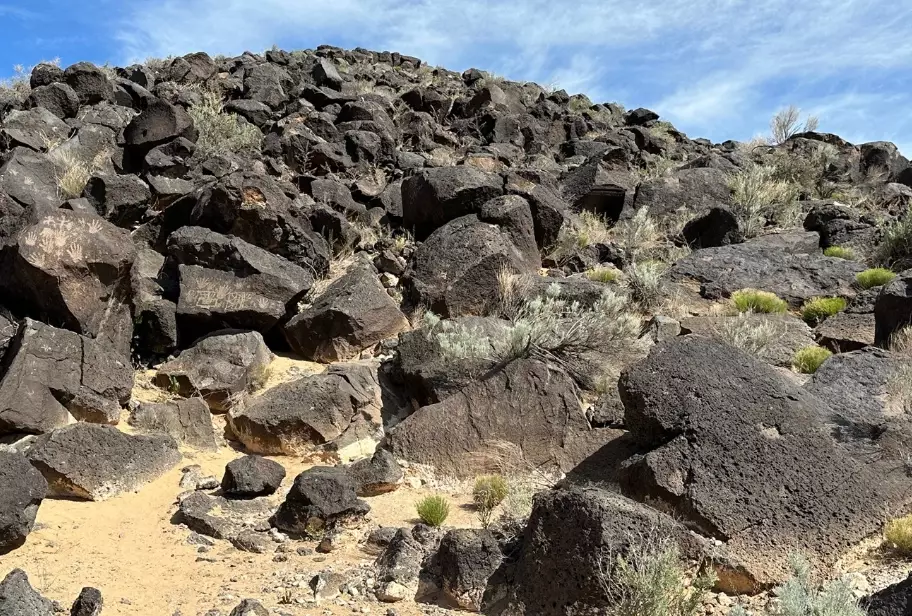
The Core Details: Piedras Marcadas Canyon is part of the Albuquerque Open Space network. That means it's free to enter, with no tickets or permits required for day use. It's open from sunrise to sunset, every day. The address to plug into your GPS is the trailhead parking lot near the intersection of Paseo del Norte and Golf Course Road. Specifically, look for the access off Paseo del Norte, just west of Golf Course Road.
Getting there is straightforward—if you have a car. Public transportation doesn't service this area directly. You'll be driving into a residential zone, so keep an eye out for the Open Space signage. The parking situation is the first real test. The official lot is small, maybe fitting 15 cars max. On a pleasant Saturday morning, it's full by 9 AM. I've seen people park poorly along the neighborhood streets, which creates tension with locals. Here's my pro-tip: if the main lot is full, drive about a quarter-mile west on Paseo del Norte. There's a larger, less-known dirt pull-out on the south side of the road that services another trail network and usually has space. It adds five minutes to your walk but saves a headache.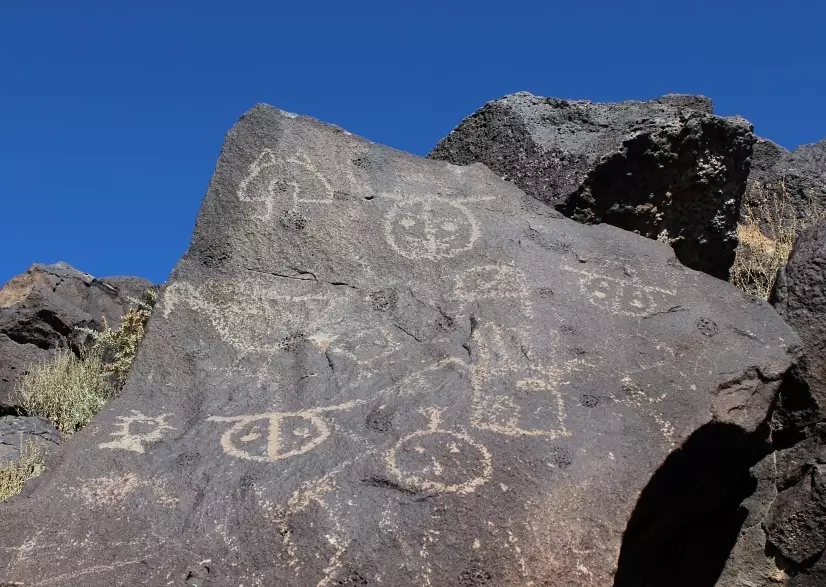
| What to Bring | Why It's Crucial |
|---|---|
| More Water Than You Think | The desert air is deceptively dry. Even on a 70°F (21°C) day, you're losing fluids fast. I carry a 2-liter hydration pack for a 2-hour hike here. |
| Sturdy, Ankle-Supporting Shoes | This isn't a paved path. The trail is sandy, rocky, and uneven. Trainers can work, but hiking shoes or boots prevent rolled ankles on hidden rocks. |
| Sun Protection: Hat, Sunglasses, SPF 50+ | Zero shade. You are exposed from start to finish. A wide-brimmed hat is a game-changer. |
| Camera or Phone with Good Zoom | Many petroglyphs are high on the canyon walls. A decent zoom lets you capture details without trespassing. |
| A Printed Map or Downloaded Trail Map | Cell service is spotty in the canyon bottom. Having an offline map prevents wrong turns onto social trails. |
The best time to visit? Hands down, it's the early morning. Not only do you beat the heat and secure parking, but the low-angle sunlight rakes across the canyon's west-facing walls, illuminating the petroglyphs in dramatic relief. They seem to pop out of the rock. Late afternoon works too, but the sun will be behind you, making photography of the main panels more challenging. Avoid midday in summer—the sun is brutal and the light flat, washing out the rock art.
Hiking the Piedras Marcadas Canyon Trail
The main trail is a lollipop loop totaling about 1.5 to 2 miles, depending on how many side explorations you do. It's rated as easy to moderate. Don't let "easy" fool you—if you're not used to the altitude (around 5,000 feet) or walking on soft sand, you'll feel it.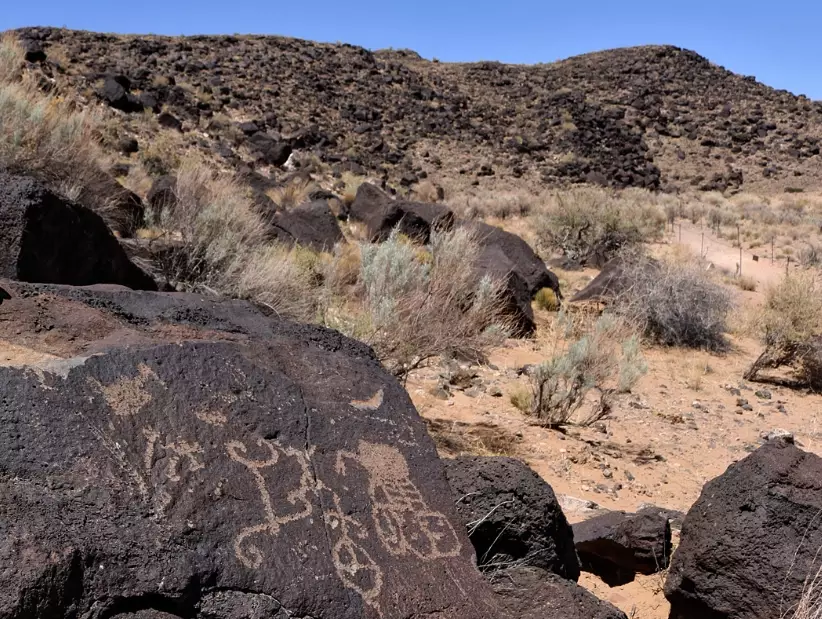
From the trailhead, you immediately descend into the wide, sandy wash of the canyon floor. The first stretch feels unremarkable—just desert scrub and rabbitbrush. This is where most people make a mistake: they rush. Slow down. Look at the ground. I've found pottery sherds here (which I left exactly where they were). Look at the base of the small cliffs on your right (the south side). Within the first ten minutes of walking, you'll start to see your first petroglyphs. They start low and scattered.
The Main Gallery: A Turn-by-Turn Experience
The trail curves northward. About 0.6 miles in, the canyon walls begin to close in and rise higher. This is the main event. The basalt boulders and cliff faces on your left (the west side) become a continuous canvas. You don't need a guide to find them; they're everywhere. Spirals, anthropomorphic figures (often called "kokopelli" figures, though that's a simplification), animals like bighorn sheep and birds, and countless geometric patterns.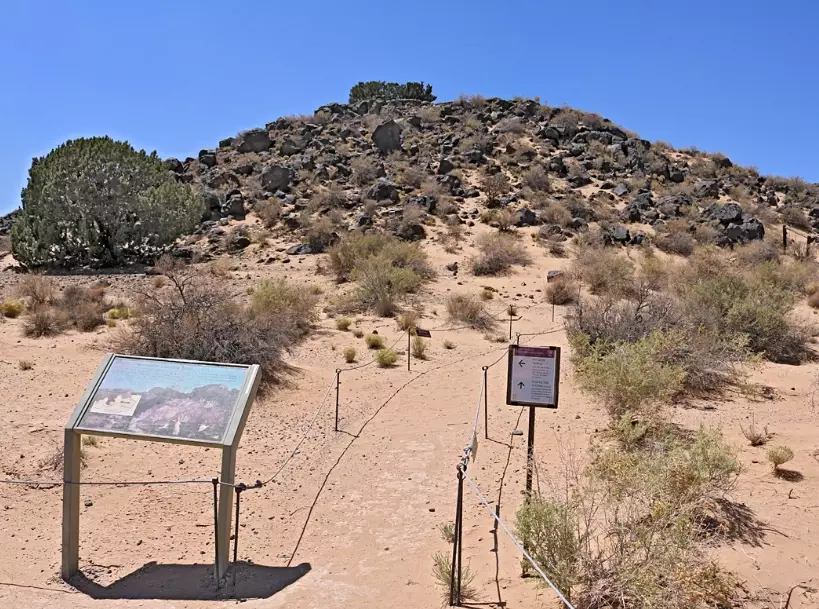
There's a specific panel, about chest-high, that most people photograph. It has a cluster of human-like figures and a large spiral. It's beautiful. But my favorite spot is about fifty yards further along. Look for a slightly overhung section of wall with a series of deeply pecked, almost cartoonish mountain sheep. The perspective on them is unique—they look like they're running. I sat there once for twenty minutes as the shadow of a cloud passed over, and the figures seemed to move.
The trail loops back around via a slightly higher path on the east side of the canyon, giving you a different vantage point looking back at the panels you just passed. This return leg is sandier and feels longer in the sun, but it offers a great full-canyon view.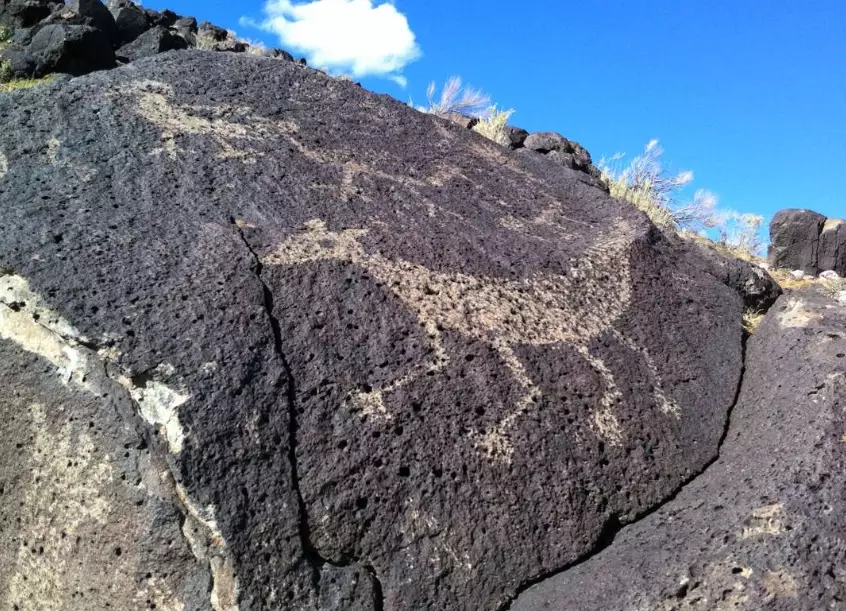
Understanding the Petroglyphs: More Than Just Rock Art
This is where most online content fails. They'll tell you "there are petroglyphs" and leave it at that. But understanding even a little of the context transforms the experience from sightseeing to something closer to time travel.
The markings at Piedras Marcadas were created primarily by Ancestral Puebloan peoples (sometimes referred to by the outdated term "Anasazi") and possibly later Navajo and Apache groups, spanning a period from approximately 1300 to 1680 AD. This wasn't random doodling. Scholars, like those cited in reports from the Albuquerque Archaeological Society, suggest these sites served multiple purposes: marking territory, recording important clan or migration stories, acting as astronomical calendars, or serving as focal points for ritual and ceremony.
That spiral you see? It might represent a journey, the sun, or a portal. The handprint? A signature, a prayer, a claim of presence. The sheep? A record of a successful hunt, or a plea for the animals' return. We can't know the exact meaning—that knowledge is held by the descendants of the artists—but we can appreciate the complexity.
One subtle thing I learned from a local archaeologist: look for the patina. The canyon walls are covered in a dark, desert varnish (a coating of manganese and iron oxides). The artists created the petroglyphs by chipping through this dark layer to reveal the lighter rock beneath. Over centuries, a new, lighter patina forms in the carved lines. The darkest, most re-patinated figures are often the oldest. You can see a clear difference between a deeply weathered, faint spiral and a crisper, newer-looking cross that was likely added centuries later. It's a visible timeline on the rock.
Responsible Visitor Etiquette: Protecting a Sacred Site
This is non-negotiable. Piedras Marcadas is an outdoor museum and, more importantly, a sacred landscape to modern Pueblo and other Native American communities. Your behavior directly impacts its survival.
- Look, Don't Touch. The oils from your skin accelerate erosion. Never, ever touch the petroglyphs.
- Stay on the Designated Trail. Climbing on the panels to get a better photo is destructive and disrespectful. Use your zoom lens.
- Leave Everything You Find. Pottery sherds, flakes of stone tools (debitage), even interesting rocks. They are part of the archaeological record. Removing them is illegal under the Archaeological Resources Protection Act.
- No Chalking, Highlighting, or Adding Your Own Marks. This seems obvious, but I've seen the ghostly residue of people trying to make petroglyphs "show up better" for photos. It permanently damages them.
- Speak Quietly, Be Present. This isn't a playground. The quiet respect you show honors the place and improves the experience for others.
Preservation is the industry hot topic for a reason. Sites like these are irreplaceable and under constant, subtle threat from love (too many visitors) and ignorance. By following these rules, you're not just a tourist; you're a steward.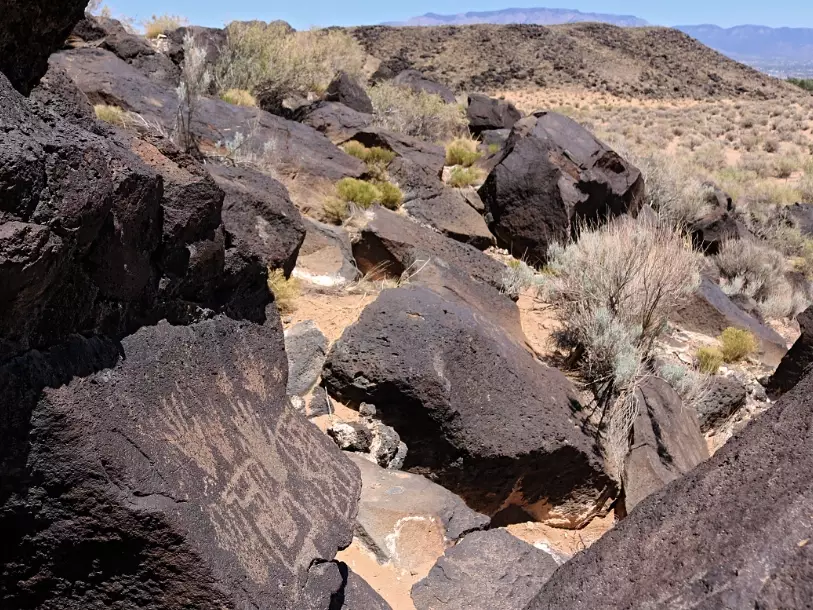
Common Questions Answered
How long does it really take to hike Piedras Marcadas Canyon?
Is Piedras Marcadas Canyon safe to hike alone?
Can I bring my dog to Piedras Marcadas Canyon?
What's the difference between this and Petroglyph National Monument?
I have limited mobility. Is this trail accessible?
Standing in the quiet of Piedras Marcadas, with the city's hum just a whisper over the mesa rim, you get it. This isn't a dead relic. It's a living landscape that holds stories. It asks for your respect and rewards you with a genuine connection to the deep history of the American Southwest. Skip the crowded, paid attractions for one morning. Come here at sunrise, walk slowly, look closely, and let the marked stones speak for themselves. You'll leave with more than photos—you'll leave with a sense of place.
This guide is based on personal, repeated visits and information verified against resources from the City of Albuquerque Open Space and educational materials from Petroglyph National Monument.